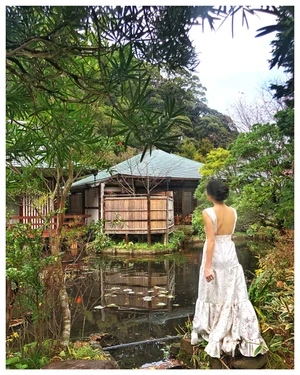
Hanamaki City Travel Guide
Discover a Wilder Japan in Iwate
Bordering Aomori Prefecture to the north is Iwate Prefecture, said to be the last untouched frontier of Japan by the locals, with 5% of it’s total land area designated as national parks. The journey via Shinkansen will take you a little over 2 hours from Tokyo (if you get the fastest one).
Iwate has four distinct areas , the urban capital of Morioka in the northwest, Miyako City with its picturesqe coastline in the northeast. Down south, the famed “City of Folklore” can be found in Tono whilst it’s west side Hanamaki, is famed for its many historical and cultural sites, a plethora of steaming onsen and various sake breweries.
Please Note: This article contains some affiliate links. If you make a reservation through one of these links,
I will receive a small commission at no additional cost to you. Every property and destination featured on this website has been personally experienced by the writer, and are their personal thoughts and opinions.
What Should You Do, Eat & See in Hanamaki
During my time in Hanamaki, I was lucky enough to explore some lovely parts of the City, which for some require their own separate posts. Iwate is famed for its sake production, with many of their Toji (sake masters) travelling around Japan to teach other breweries. Read about the story of the Nambu Toji here.
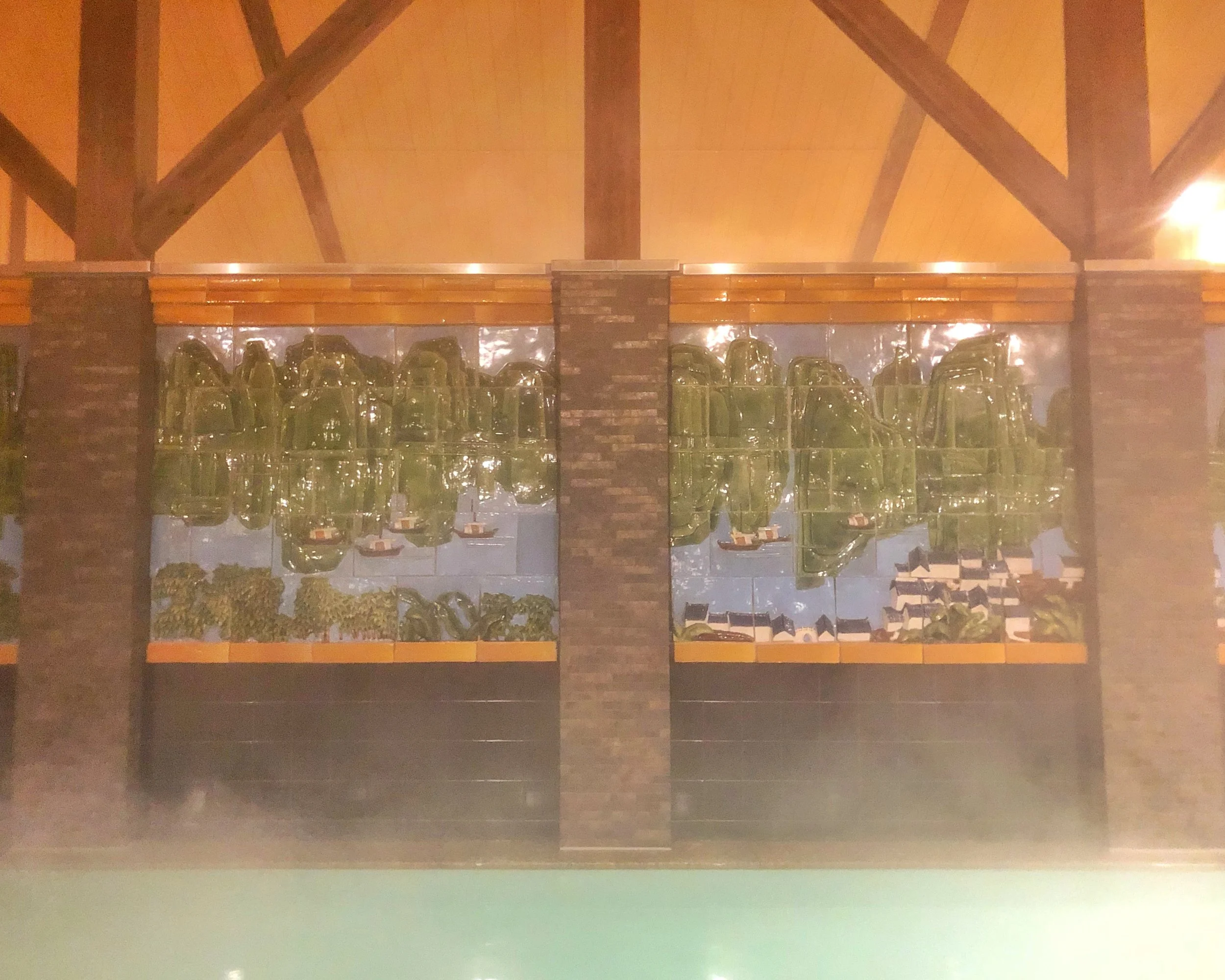
Hanamaki is also renowned for the Hanamaki Onsenkyo village, where along the edge of the Ou Mountains is a chain of 12 hot springs. Whilst I was there, I stayed in two fabulous onsen ryokans, Yuukaen & Kashoen.
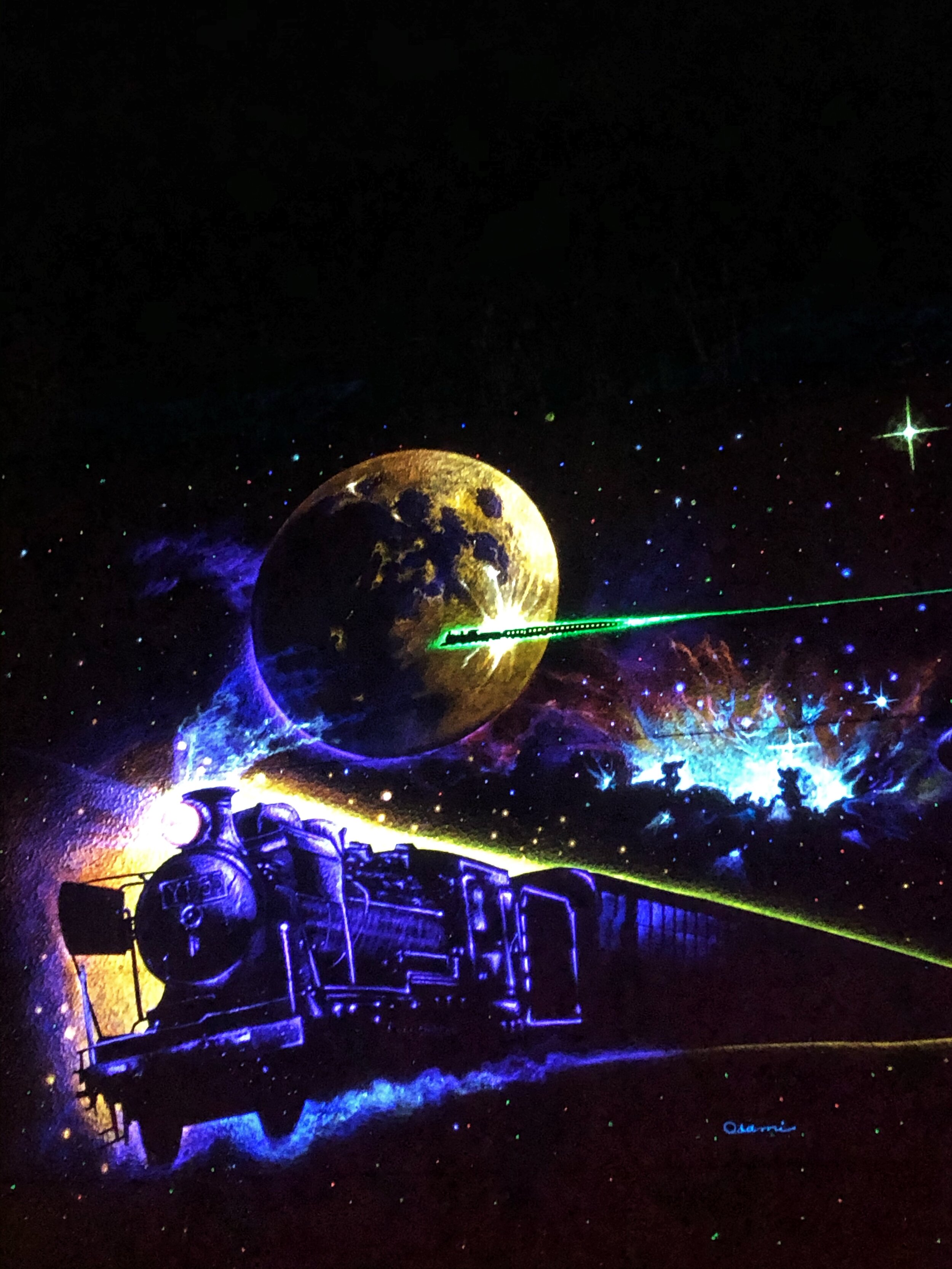
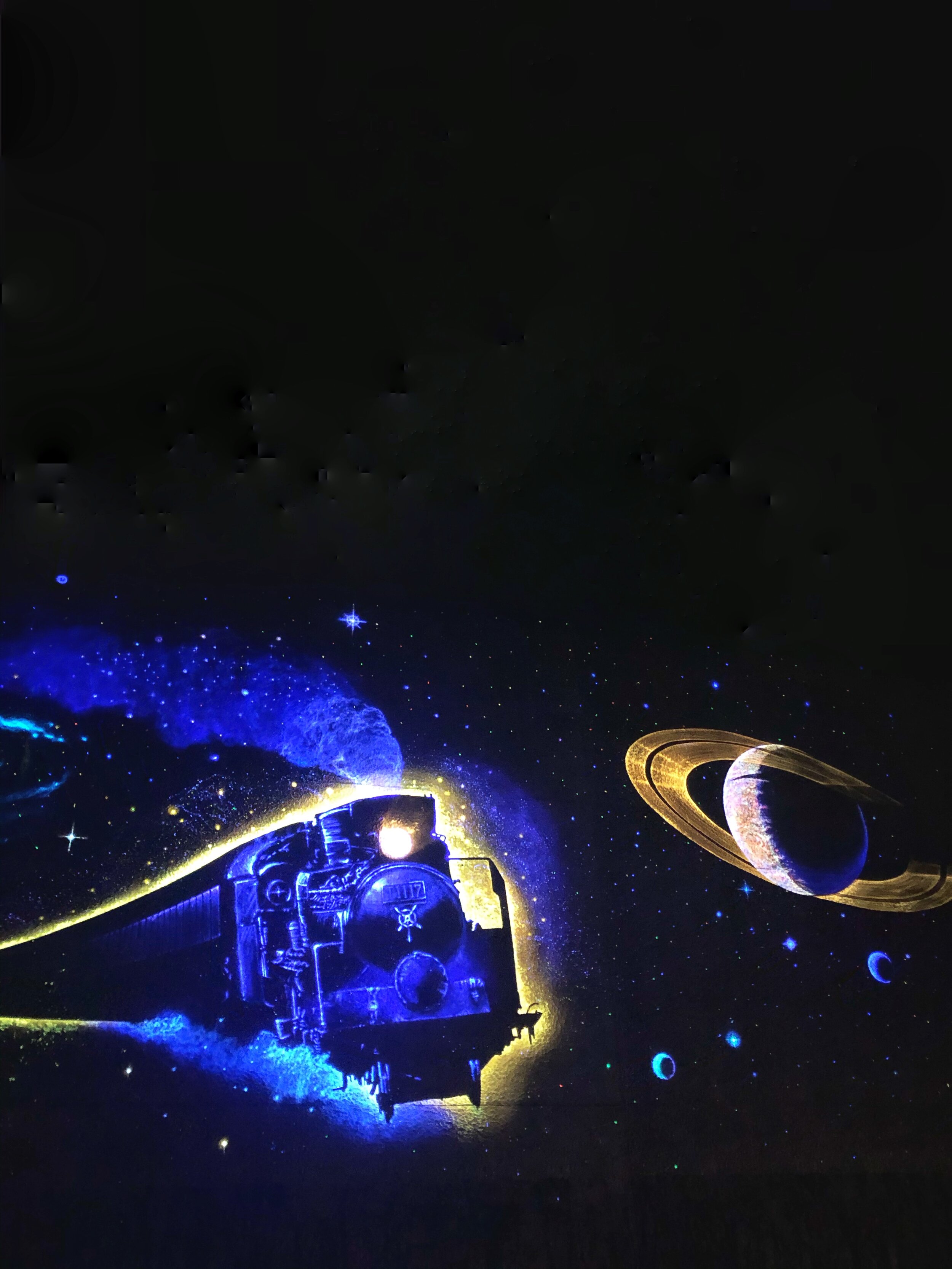
The town is also the birthplace of one of Japan’s most popular novelist and poet of children’s literature, Kenji Miyazawa. A giant billboard depicting illustrations of his most famous work “ Night on the Galactic Road” can be found by a road in Hanamaki and is absolutely stunning at night as it glows in the dark.

“Night on the Galactic Road” by Kenji Miyazawa
One of Japan’s most beloved children’s fantasy novels is “Night on the Galactic Road” - a short story written by Kenji Miyazawa after the sudden loss of his younger sister. Beautiful and moving, the story follows lonely Giovanni, whose mother is bedridden with illness, has an absentee father and is bullied by his peers. One night with his only friend Campanella they board a fantastical night steam train which travels across the galaxy with several stops like the Northern Cross, where they see amazing sights, interesting people and historical events. The story deals with themes of self-sacrifice, kindness, loss and love. In tribute to the popularity of the story, Iwate created this stunning giant artistic billboard which is best seen at night.
Wine Tasting at Edel Wein
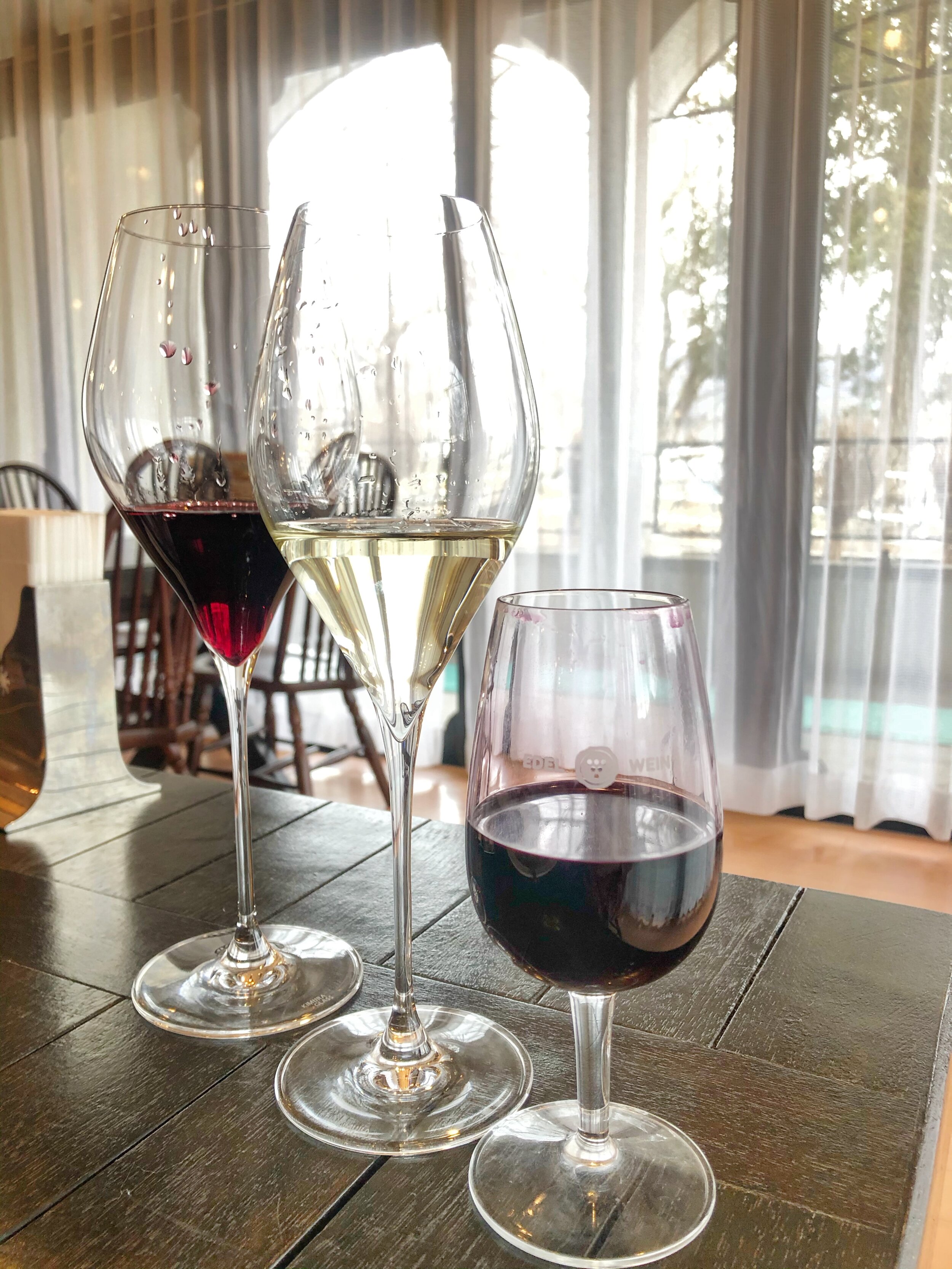
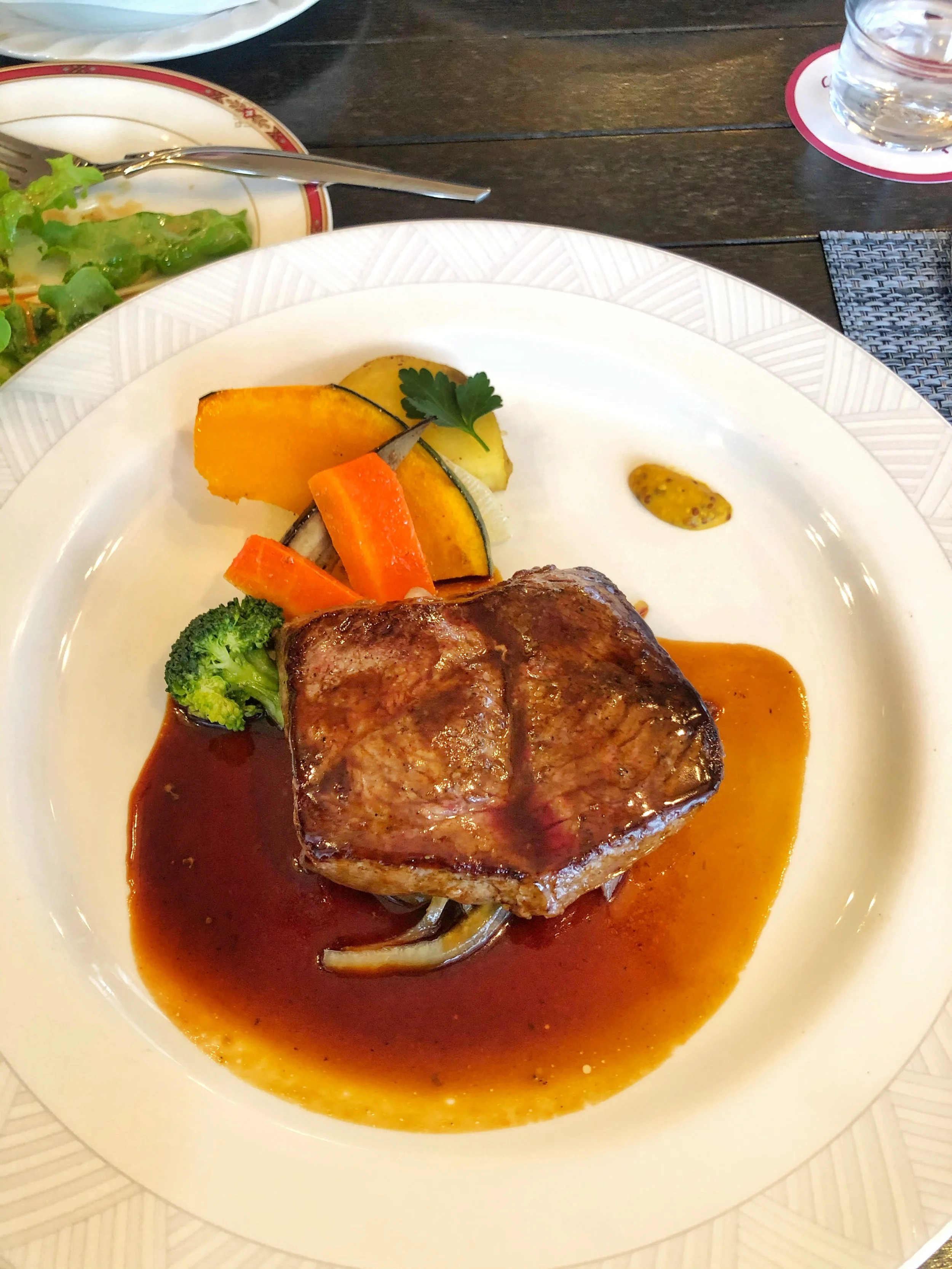
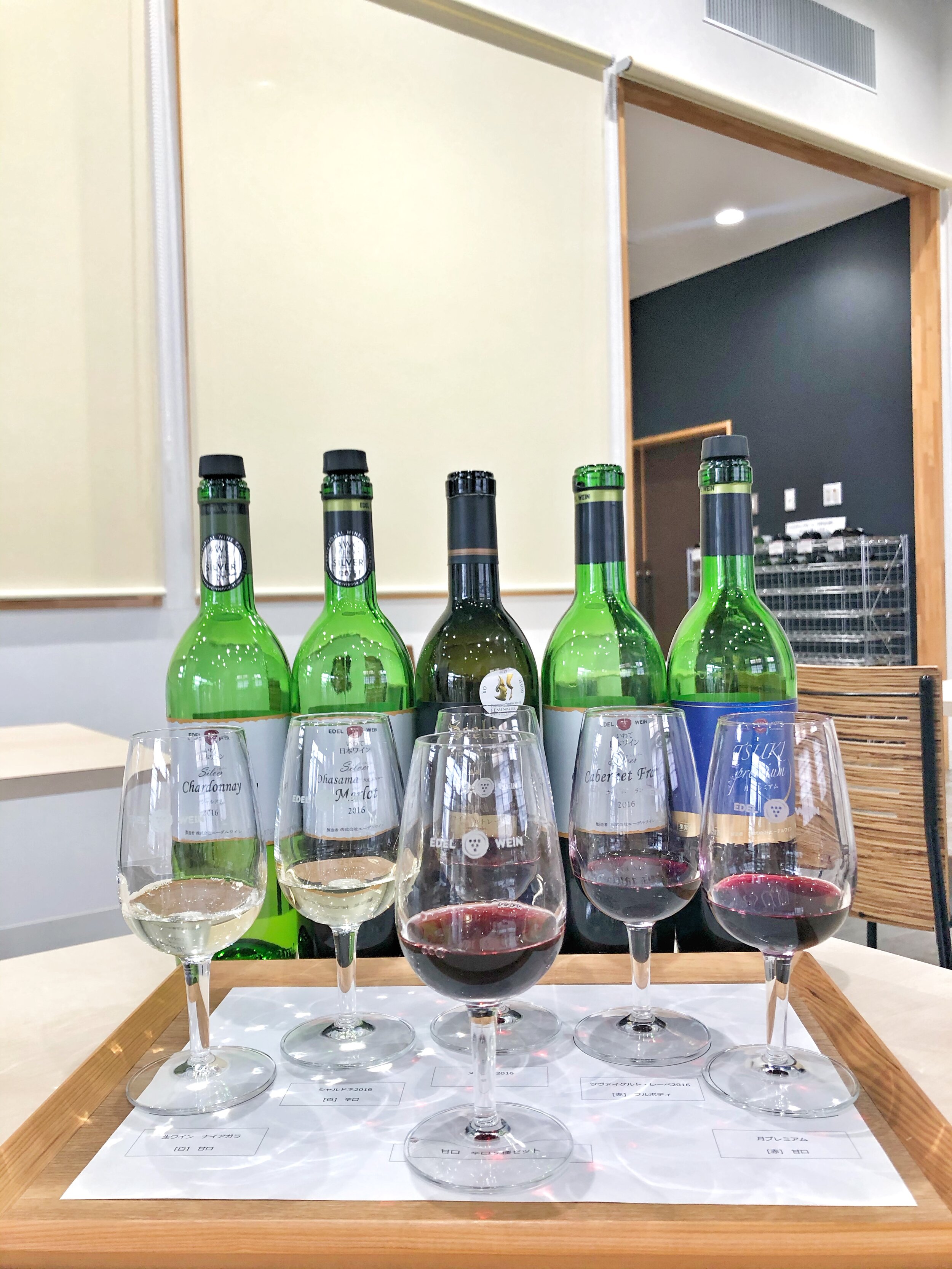
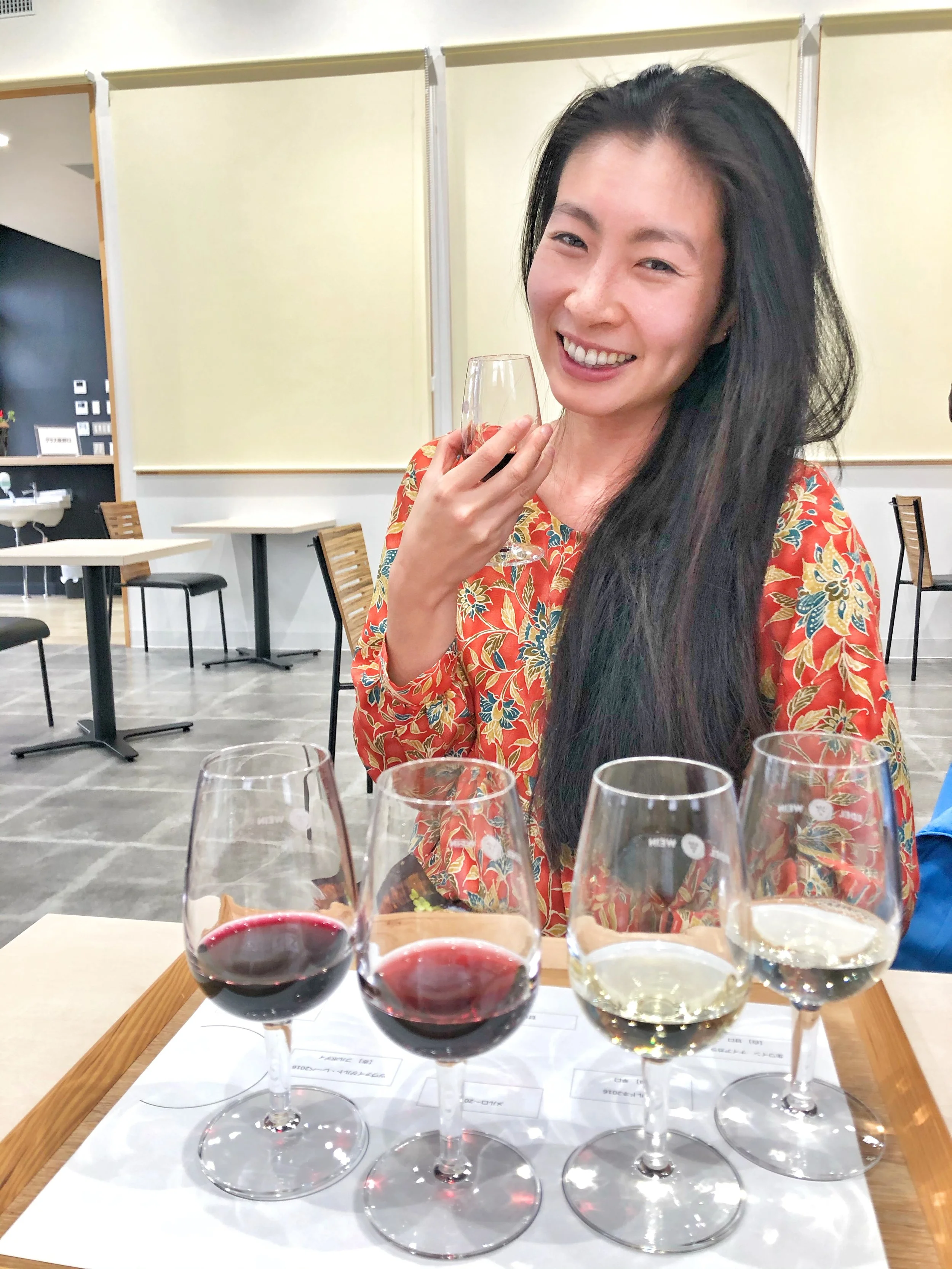
The area also has a climate suitable to growing and harvesting various grapes, so wine production is slowly becoming popular in certain areas. I spent a delightful day tasting Edel Wein’s produce; who’s owner Masahiro Fujitate is an absolute delight. A cheery individual, I couldn’t suppress a chuckle when giving a tour of his winery production area, he asked our host, “does he really have to talk and talk about production, can’t we just go drink and taste the wine together?” hahahaha! Fujitate-san derived the namesake of his wine from his love of the flower Edel Weiss, and you can see the influences of his love of the region not only in the grapes used, Merlot, Zweigeltrebe, Muller-Thurugau but the accompanying chateau-style restaurant.

The Many Bowls of Wanko Soba
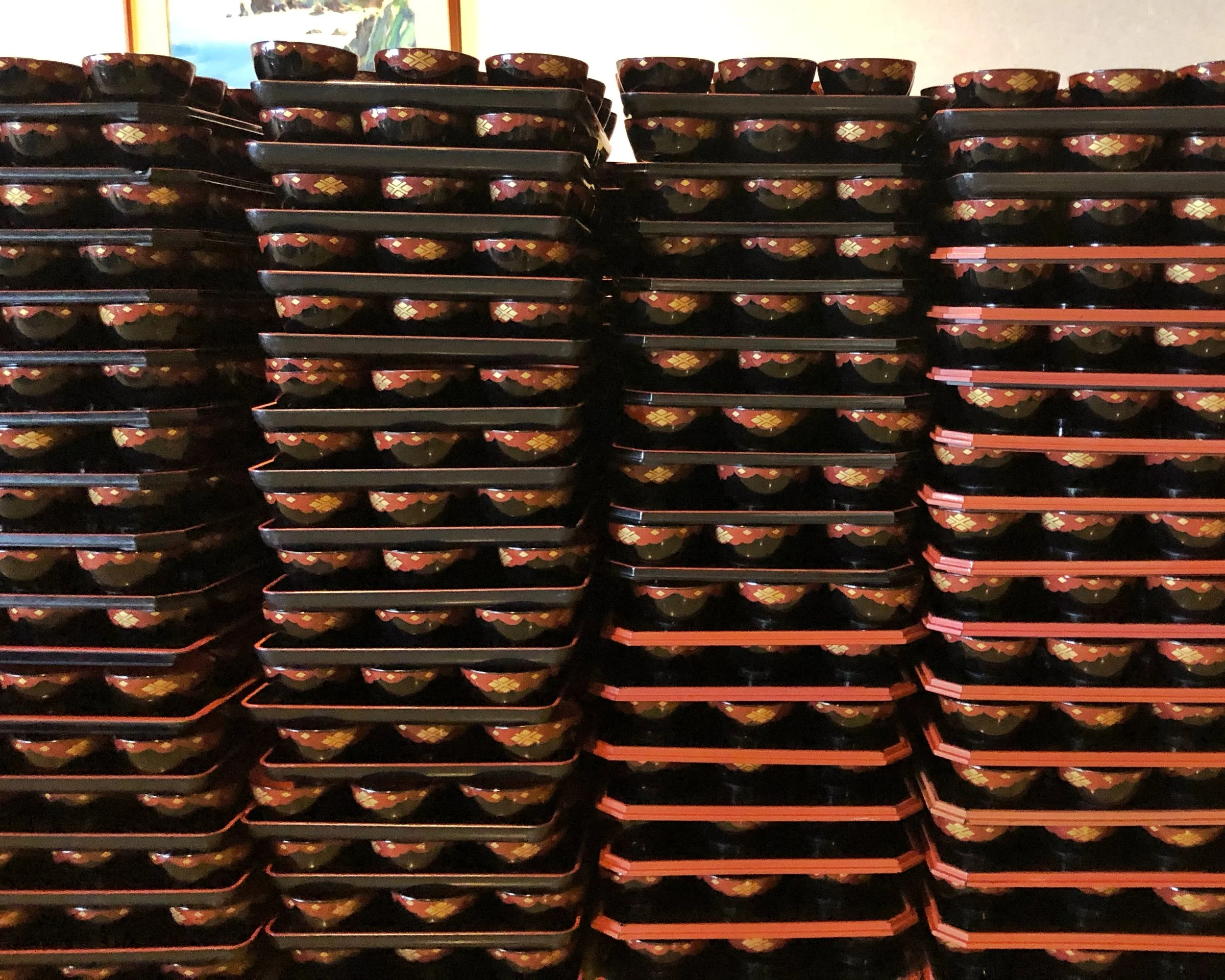
Hailing mainly from Moriaka and Hanamaki regions of Iwate, Wanko Soba is a traditional noodle dish of the region where bite-sized pieces of soba (about 5-10grams) is eaten from small wooden bowls alongside some simple side dishes. Once a bowl is finished, a server quickly places another portion inside often chanting in encouragement “Hai jan jan, hai don don!”. The goal is to eat as many bowls as you can till you are full. Most people try and aim for 100 bowls, on average women eat about 50 bowls and men 60 bowls.
Roughly 15 bowls is said to be equal to a normal portion size of soba. Read about my meal of Wanko Soba here.
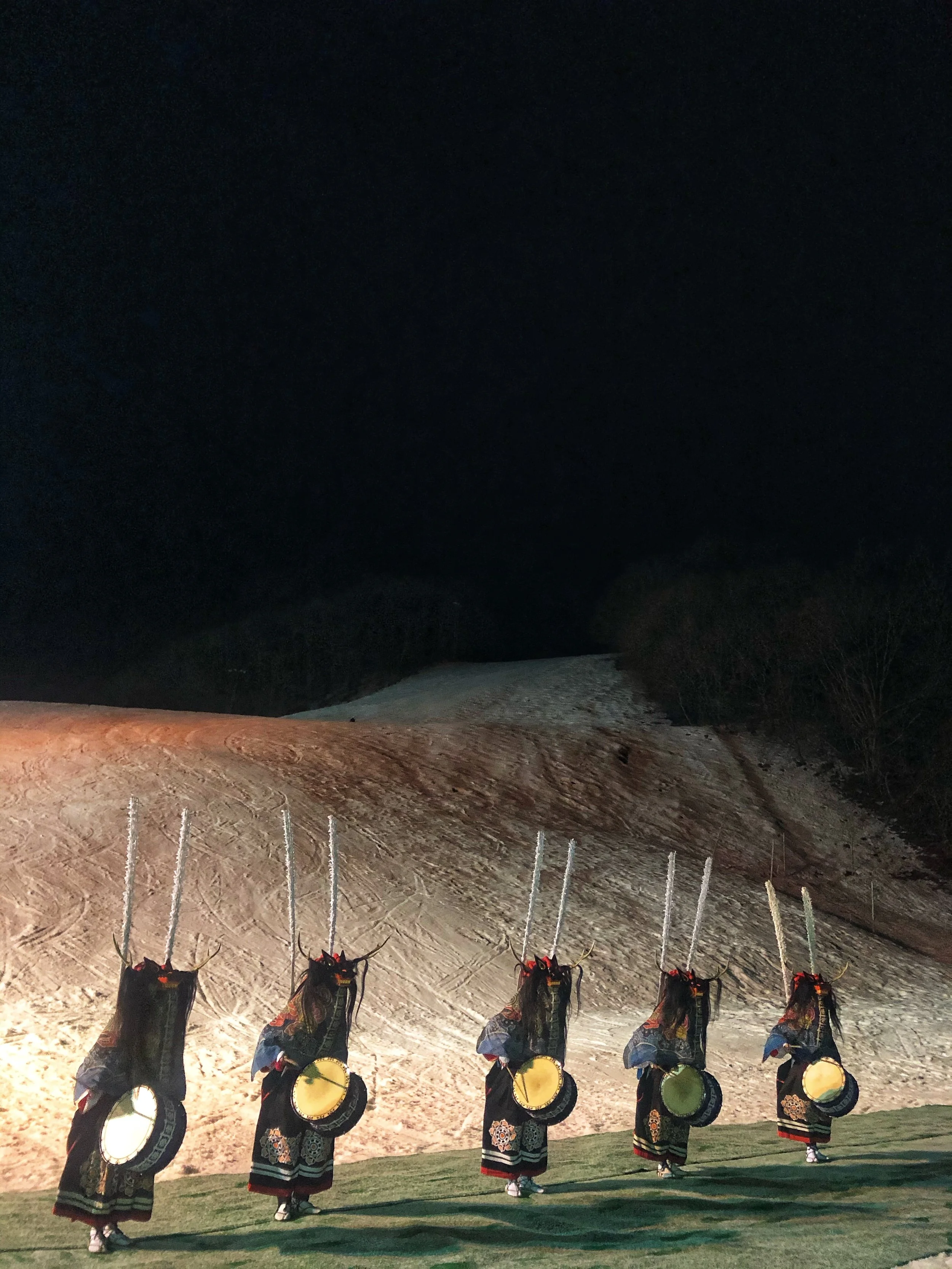
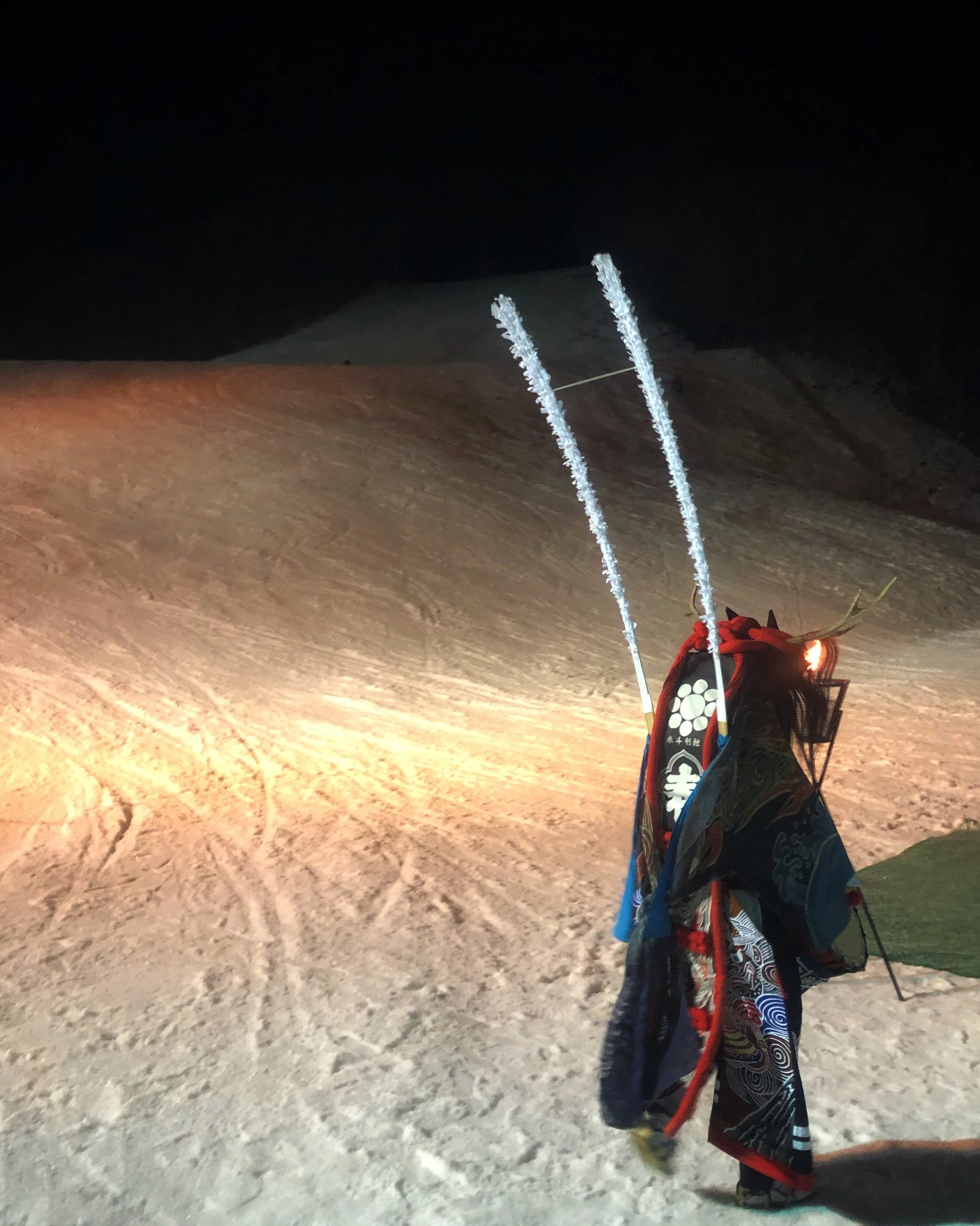
Iwate’s Local Dance: the Shishi Odori & Shika Odori
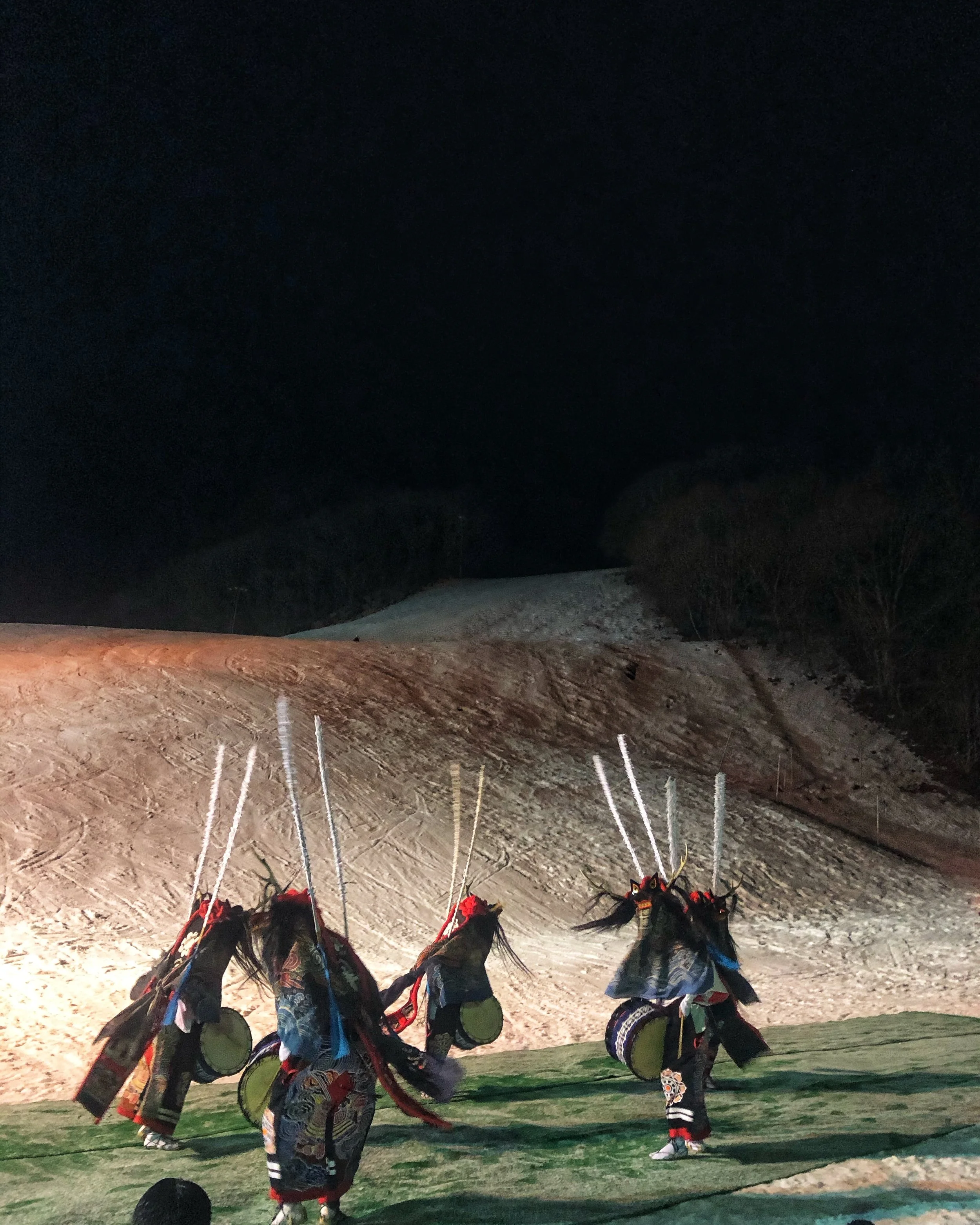
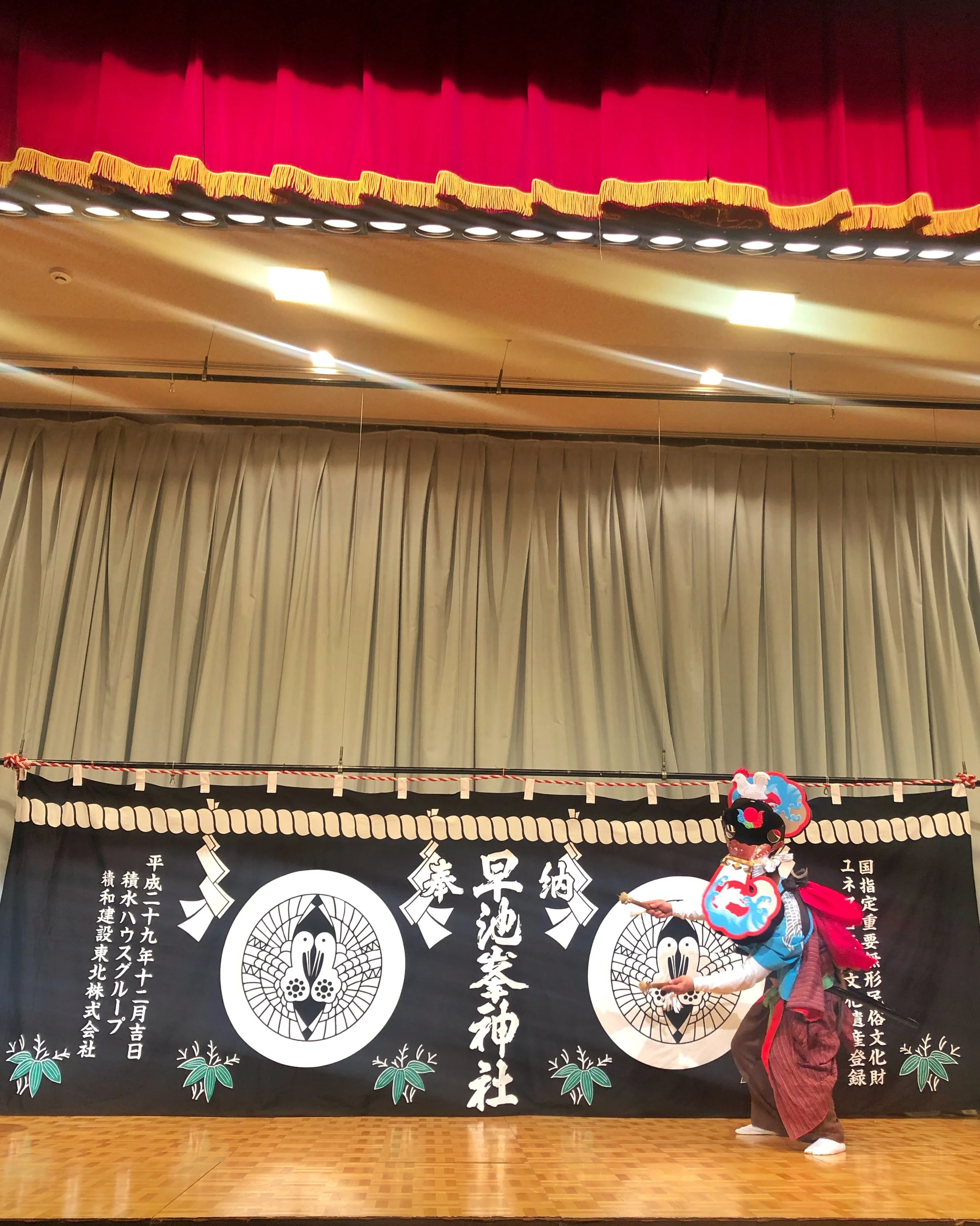
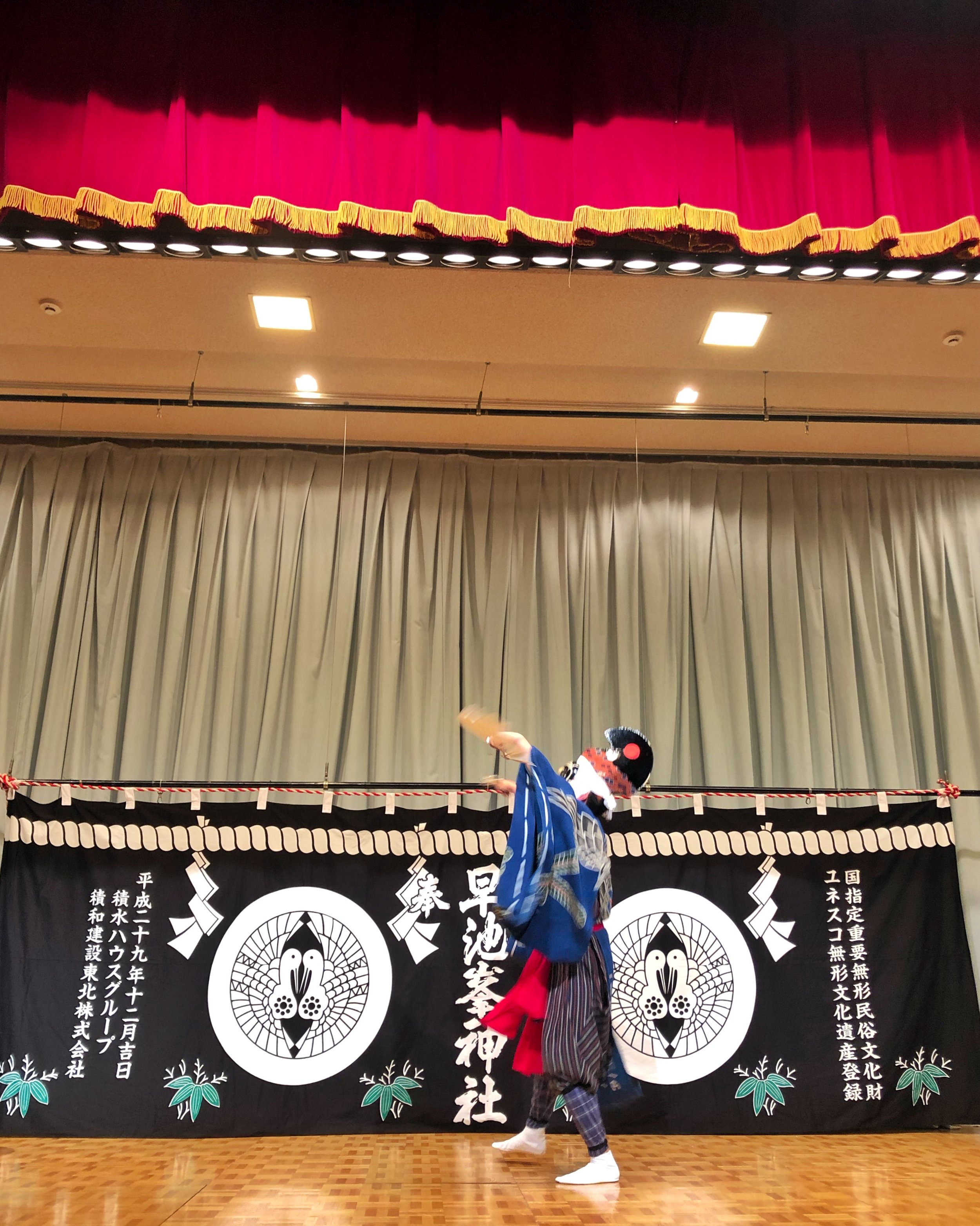
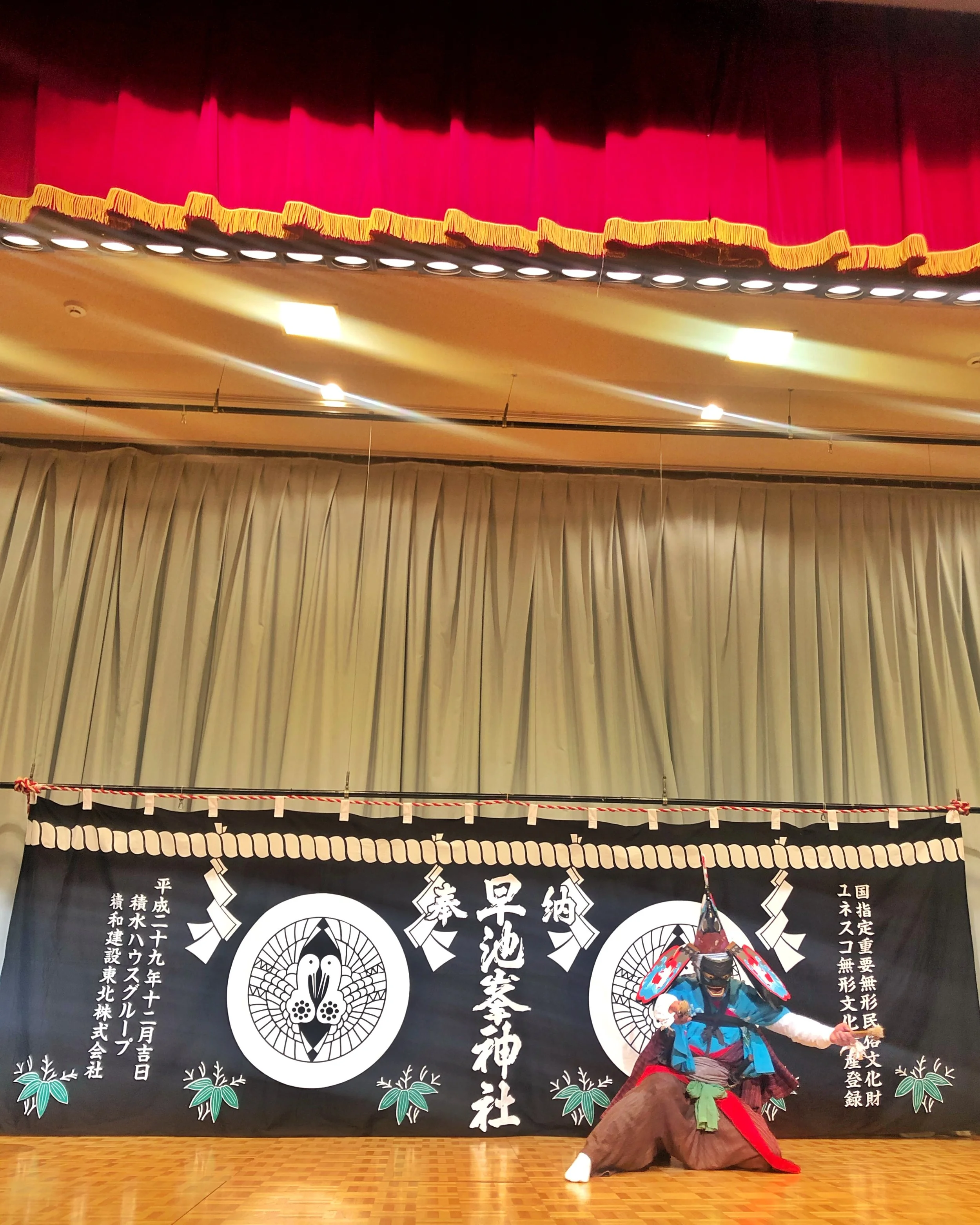
A traditional folk dance of Iwate, the Deer Dance can trace its history back nearly 1000years. The dance celebrates the spirit of mountain beasts, offering prayers to all living things. It’s performed during the late Autumn and Lantern Festivals particularly within Northern Miyagi and Southern Iwate regions.
Performers will wear striking deer masks with towering antlers, and carry a bundle of thin bamboo slats on their back known as “Sasara”.
There are two main types of dance styles:
Taiko Odori (drum dancing style) - dancers tie a drum to their waist, strike it powerfully while leaping.
Maku Odori (curtain dancing style) - dancers use a cloth curtain body-covering instead of a drum, accompanied by flutes and smaller masks
Another style can be found in Tono City
Hayaachine - performed without drums tied to ancient shrine rituals
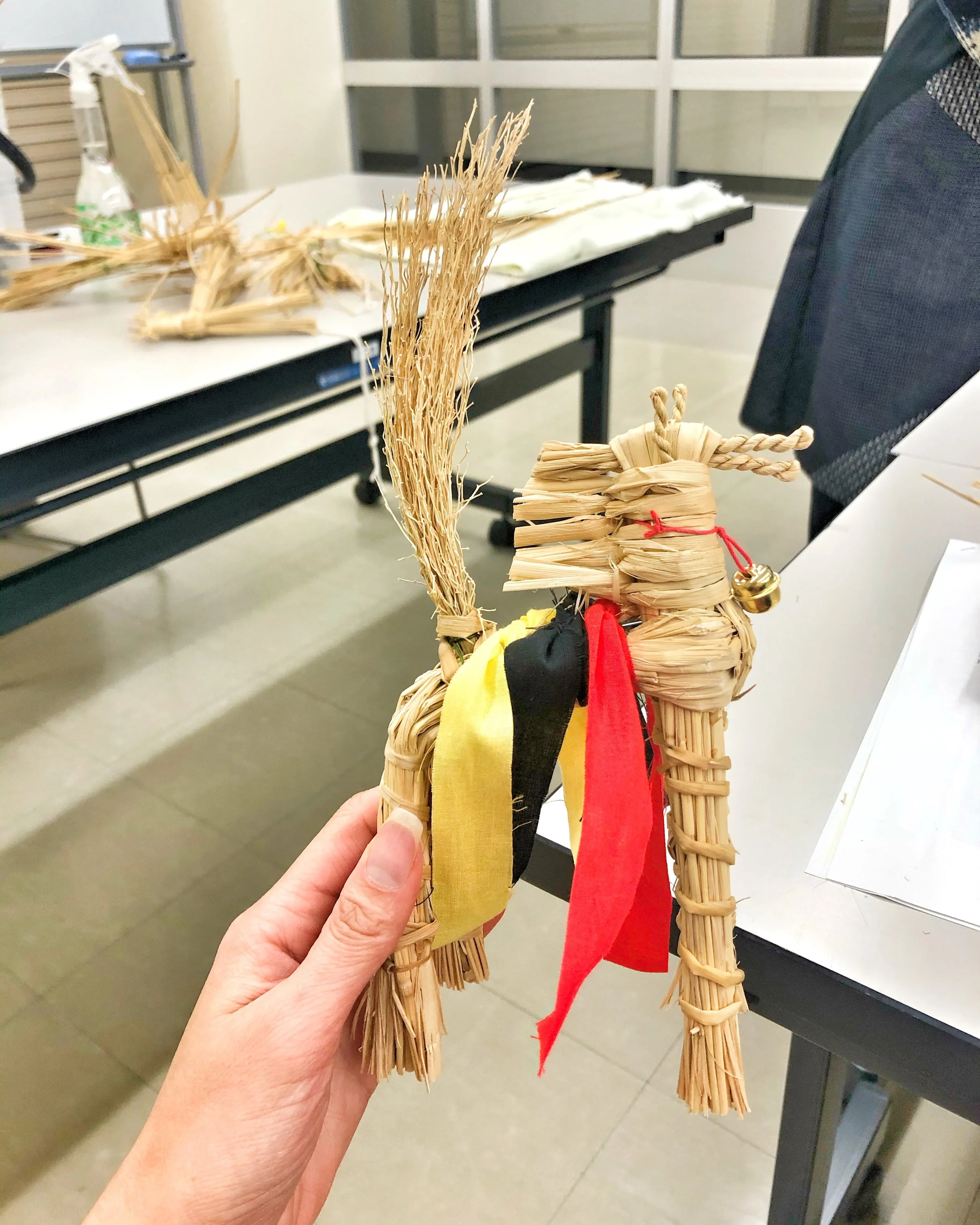
Making Bamboo Crafts
A fun little experience in Iwate is also making bamboo crafts.
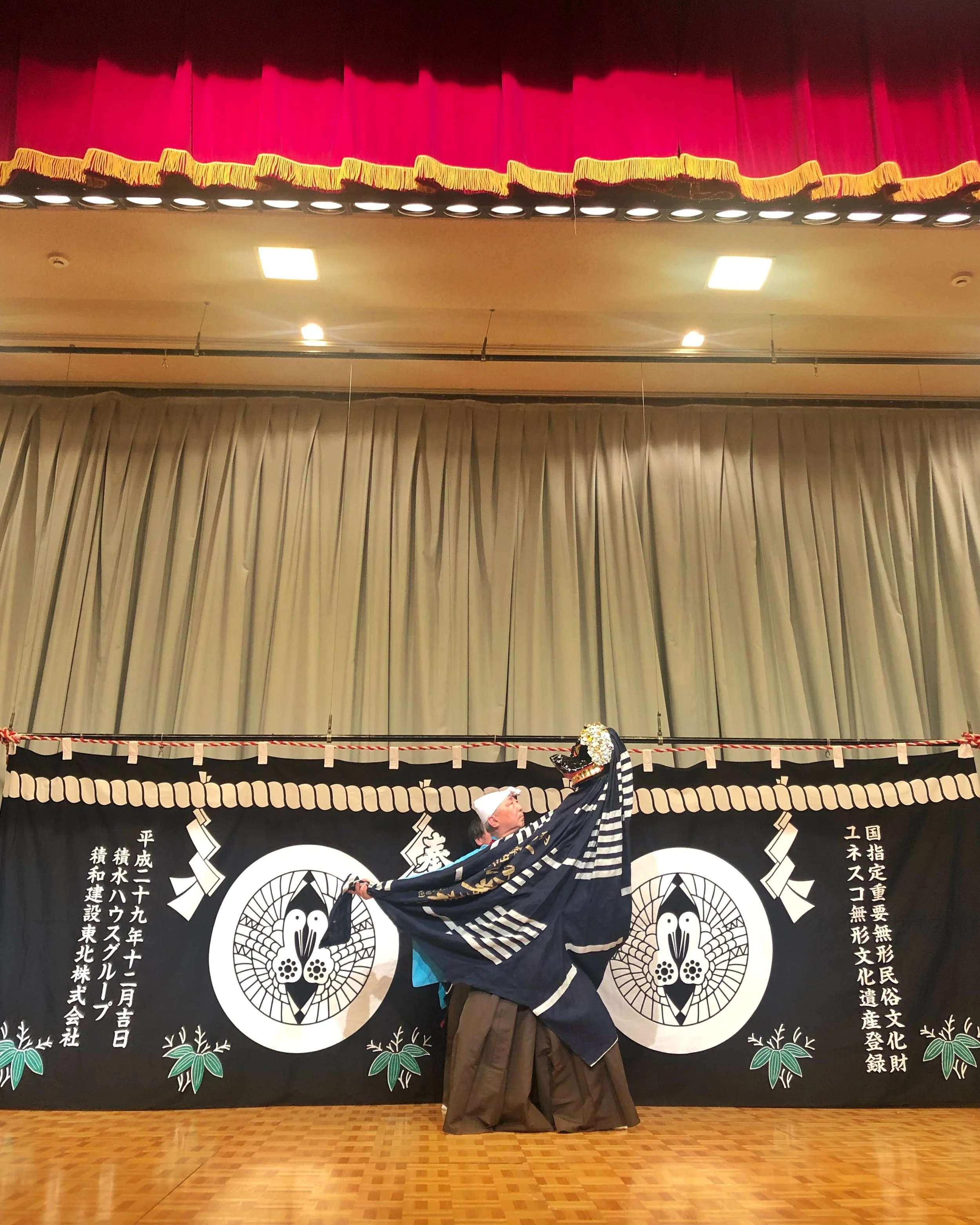
Enjoy the Wild Nature
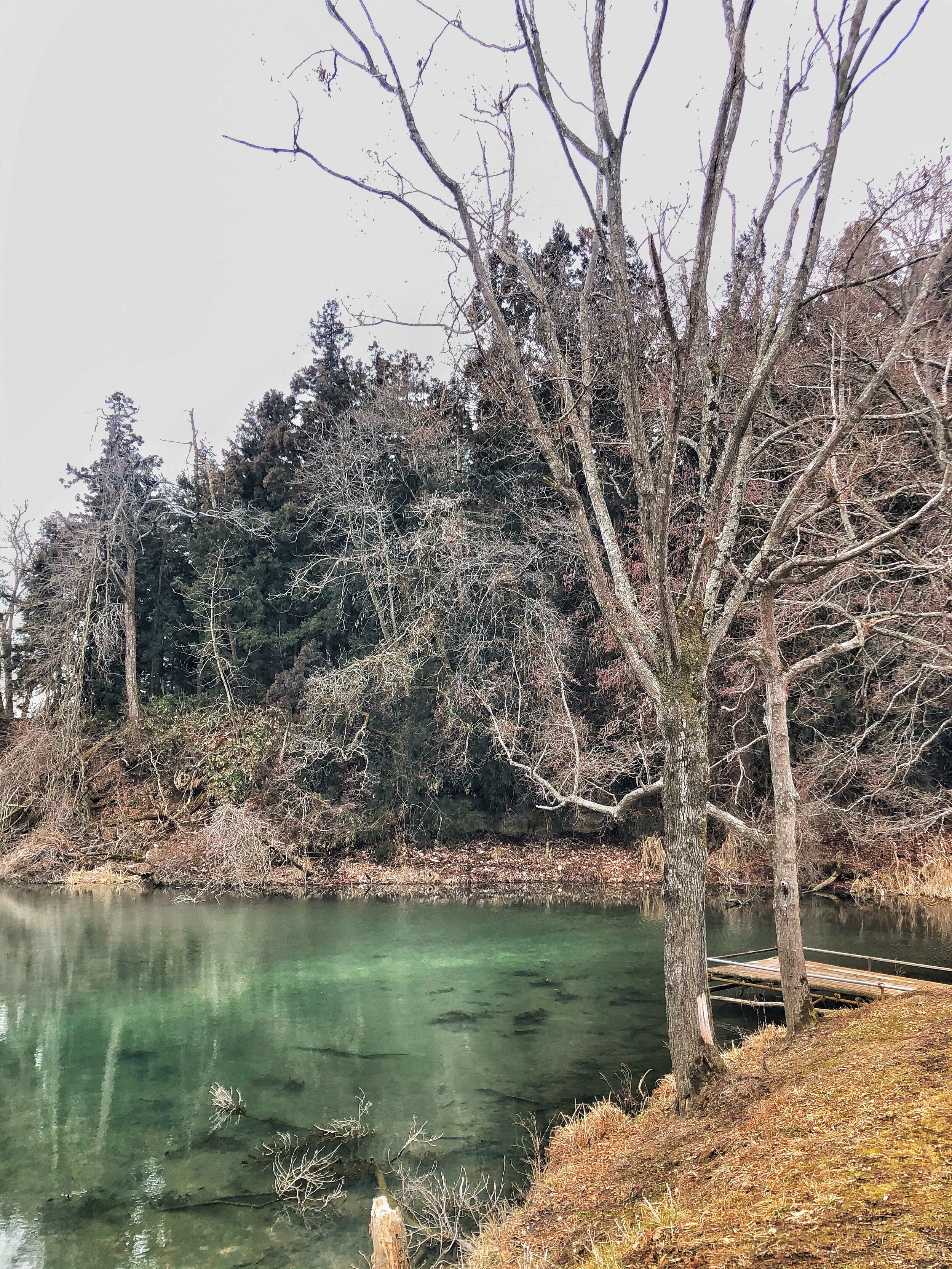
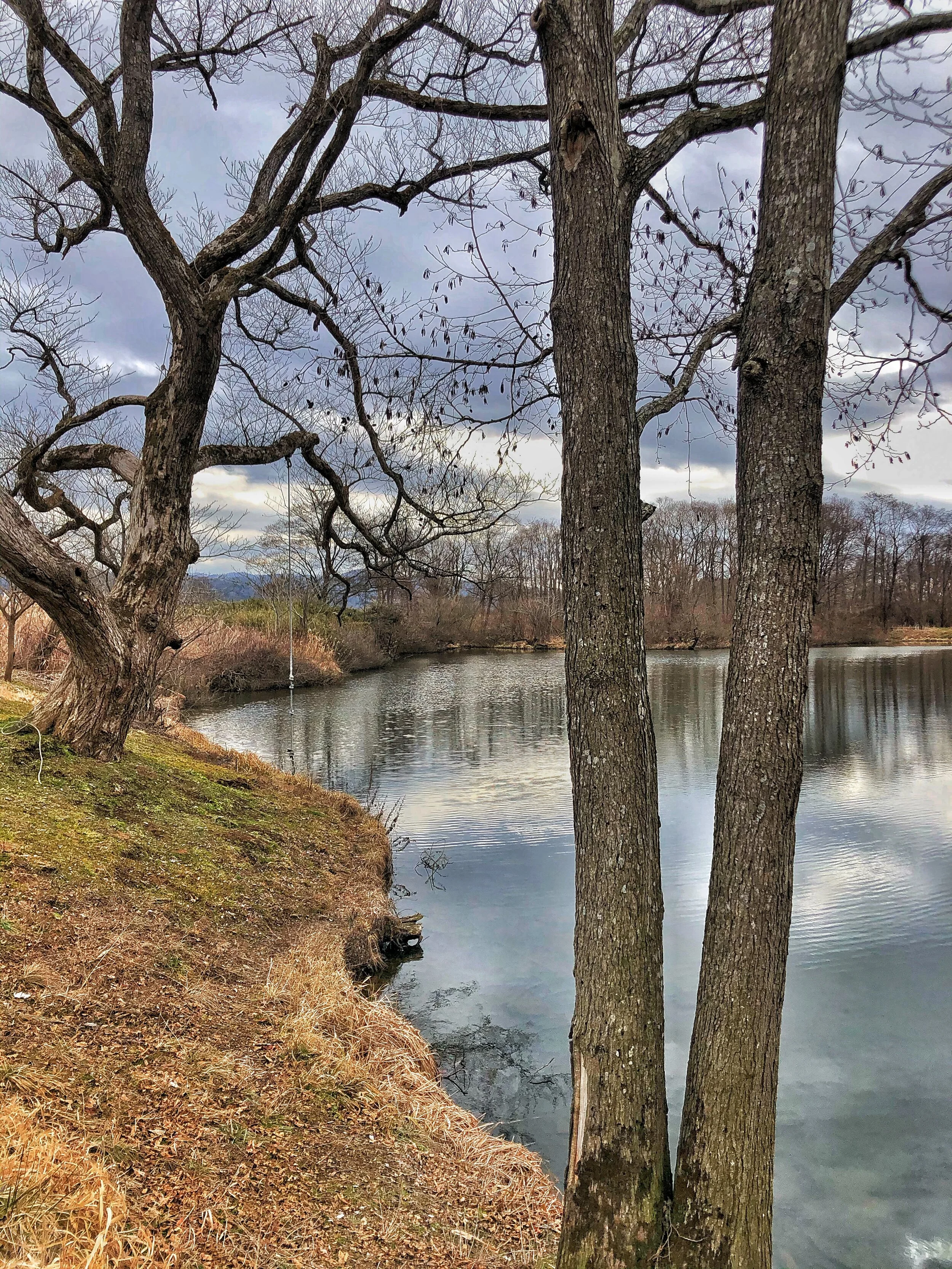
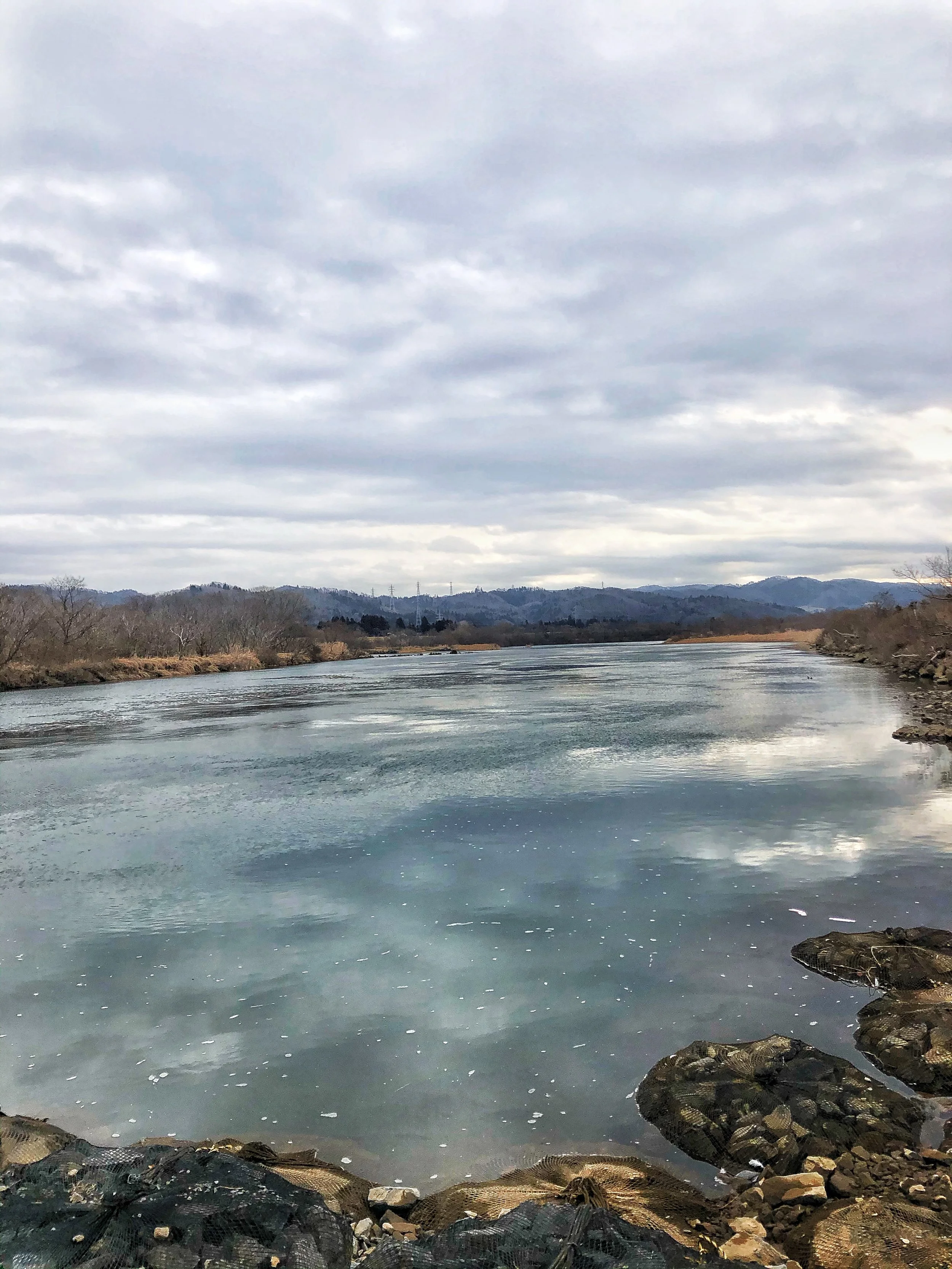
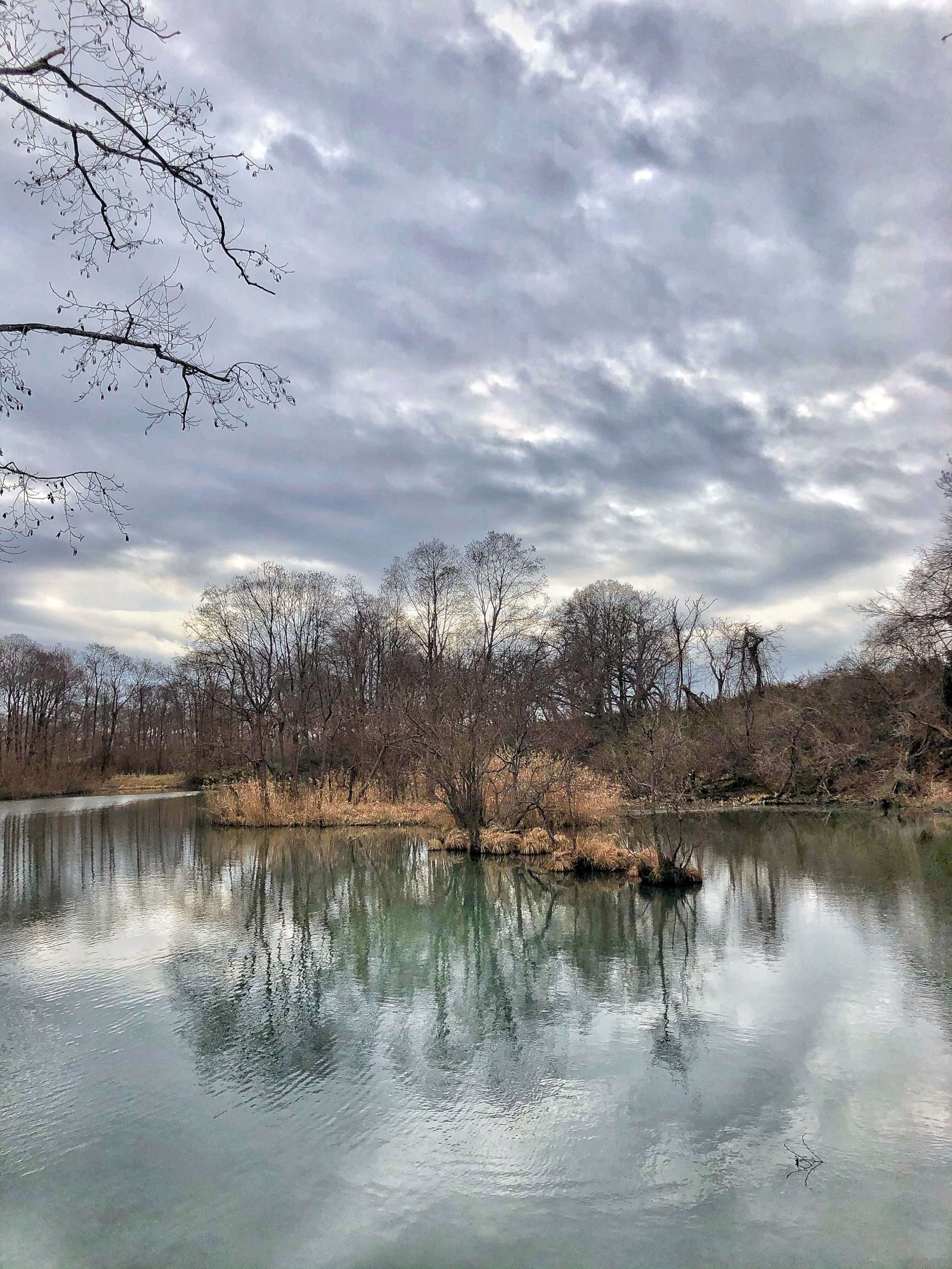
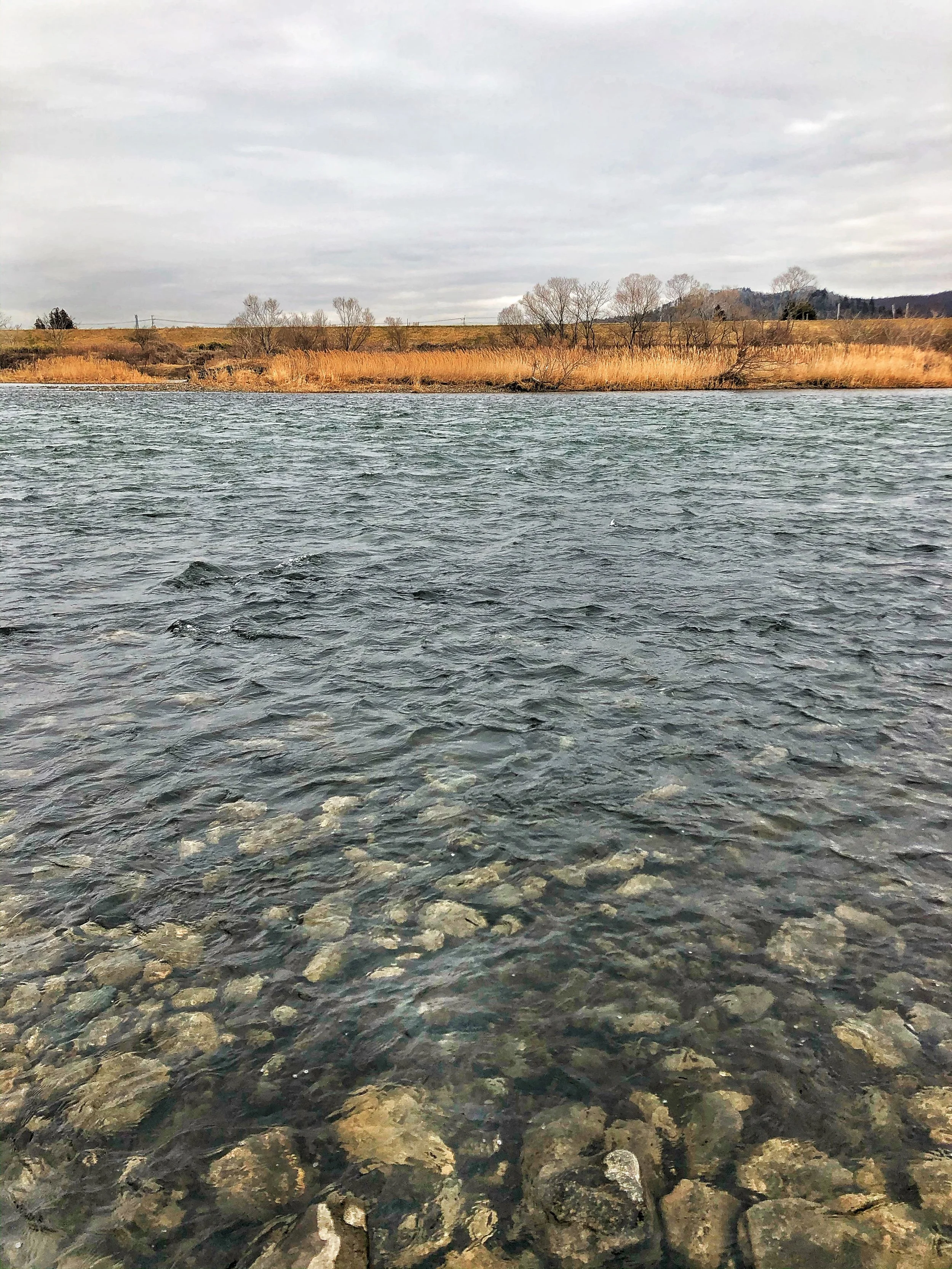
Iwate has the lowest population of any prefecture outside of Hokkaido, as a result there’s some amazing nature to be explored and enjoyed. From outdoor sports, to exploring the river and water ways and enjoying fishing and camping.

ACCESS
BY TRAIN
Tokyo Station (Tohoku or Akita Shinkansen) - Morioka Station
Morioka Station (JR Tohoku Line) - Hanamaki Station
OR
Tokyo Station (Tohoku Shinkansen) - Shin Hanamaki Station
Shin Hanamaki Station (JR Kamaishi Line) - Hanamaki Station
BY AIR
Iwate Hanamaki Airport (HNA)
(travelling from Tokyo - shinkansen is better - fly if travelling from Sapporo, Nagoya, Osaka, Kobe, and Fukuoka)
OTHER PLACES TO STAY / THINGS TO DO
Kashoen - relax in this onsen ryokan in Iwate’s renowned onsen town.
Yuukaen - a historic onsen ryokan built by palace carpenters and artisans
Wanko Soba- how many bowls of soba noodles can you eat?
The Nambu Toji of Iwate - taste one of Japan’s oldest Sake regions produced by master brewers
TRAVEL FURTHER
Aomori Prefecture - discover lush nature and relaxing onsen
Iwate Prefecture - known as the last frontier of a wild Japan
Fukushima Prefecture - the 3rd largest prefecture in Japan has many onsen to enjoy
Yamagata Prefecture- spend a couple nights exploring the beloved Ginzan Onsen