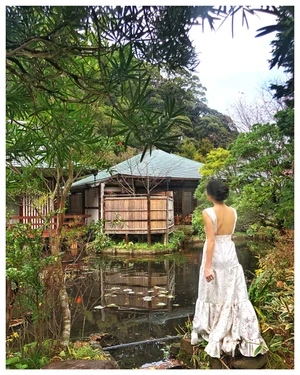
A Kaiseki Dinner Explained
A Simple Explanation
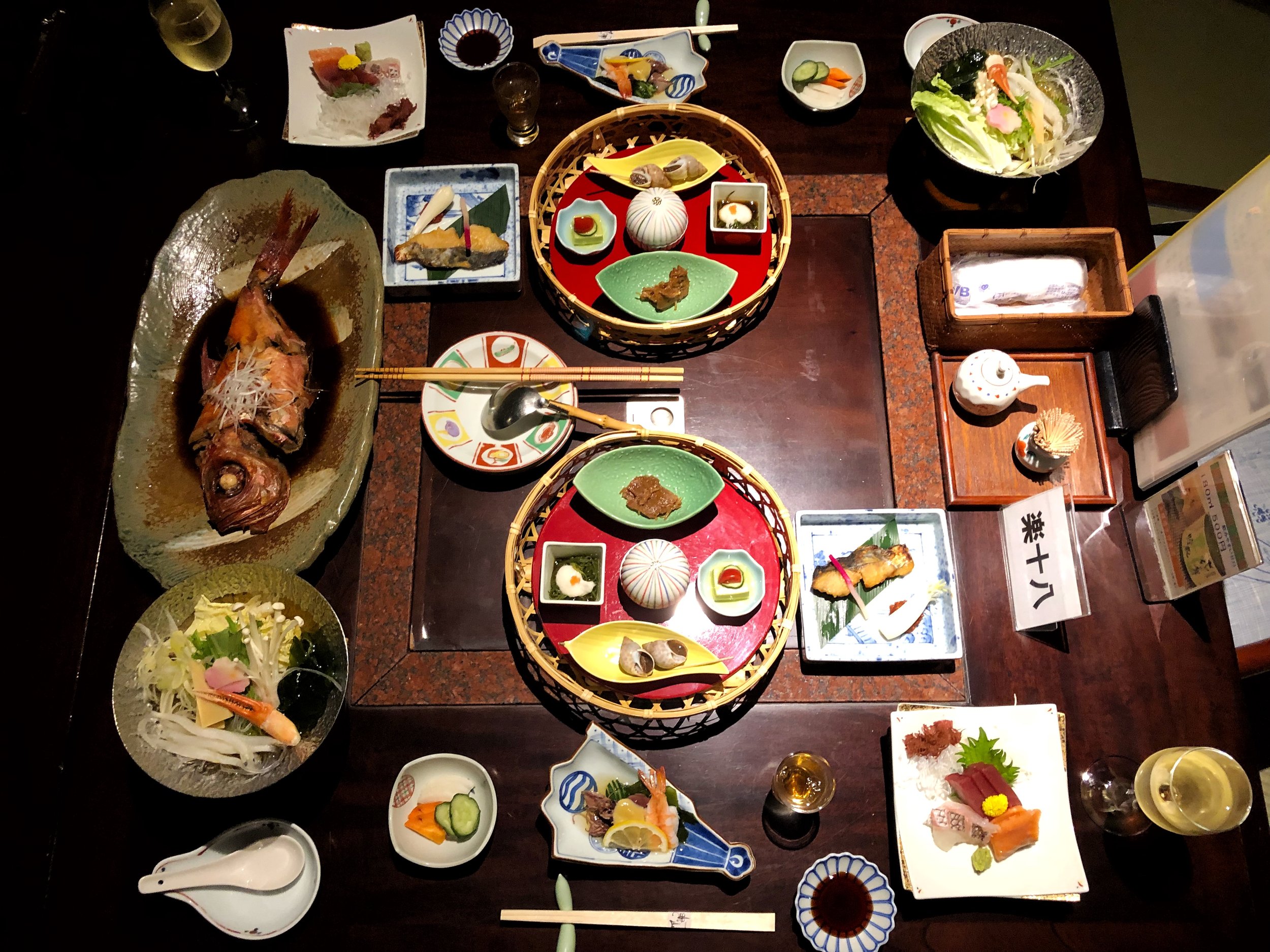
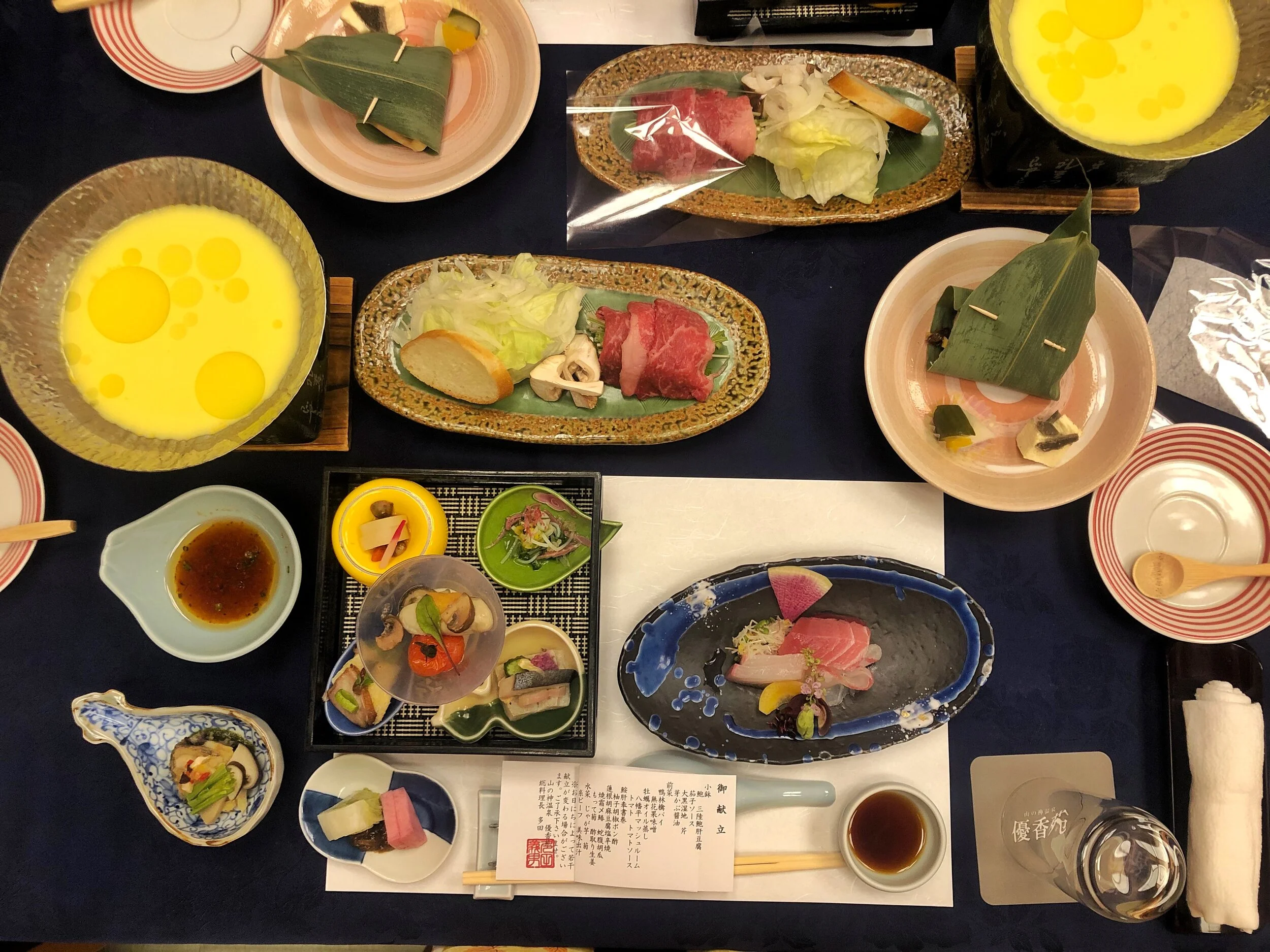
Kaiseki in one of it’s most simplest definitions is the serving of seasonal Japanese flavours, building from light to heavy tastes, presented on an array of beautiful traditional ceramics (often decorated with details of the current season’s flora). It is the haute-cuisine of Japanese cooking. When selecting a Ryokan to stay at, the food is of equal importance to me as is the private onsen I will be enjoying. I will always include meals in my Ryokan stays, as it’s just such a wonderful and enjoyable experience.
There are actually two styles of Kaiseki:
Kaiseki Ryori (懐石料理) is the traditional Japanese multi-course banquet dinner which you will be served at a ryokan or onsen ryokan or fine dining traditional Japanese restaurant, where guests will dine on a variety of dishes cooked and presented in a multitude of ways from raw, vinegared grilled, simmered, steamed and fried. The produce served is always seasonal, and celebrates the rarity and changing of the seasons.
Cha-Kaiseki (茶懐石) is the simple traditional meal served before ceremonial tea which evolved from Japanese tea culture.
A Brief History of Kaiseki
Historically Kaiseki Ryori evolved from both the highly structured ceremonial meals of the ruling Samuri and Lord classes Honzen Ryōri 本膳料理 , where dishes were arranged on multiple trays and served according to the established rules of rank and seniority; as well as Shōjin Ryōri 精進料理 - the simple, natural flavours and preparation of vegetables, foraged plants, tofu, grains inherent to Buddhist philosophy and way of life.
Cha-Kaiseki originally was served as an accompaniment to the tea, where a simple soup and three dishes served with rice was given known as Ichijū-Sansai 一汁三菜.
Please Note: This article contains some affiliate links. If you make a reservation through one of these links,
I will receive a small commission at no additional cost to you. Every property and destination featured on this website has been personally experienced by the writer, and are their personal thoughts and opinions.
What Order Will The Dishes Arrive? And How Many?
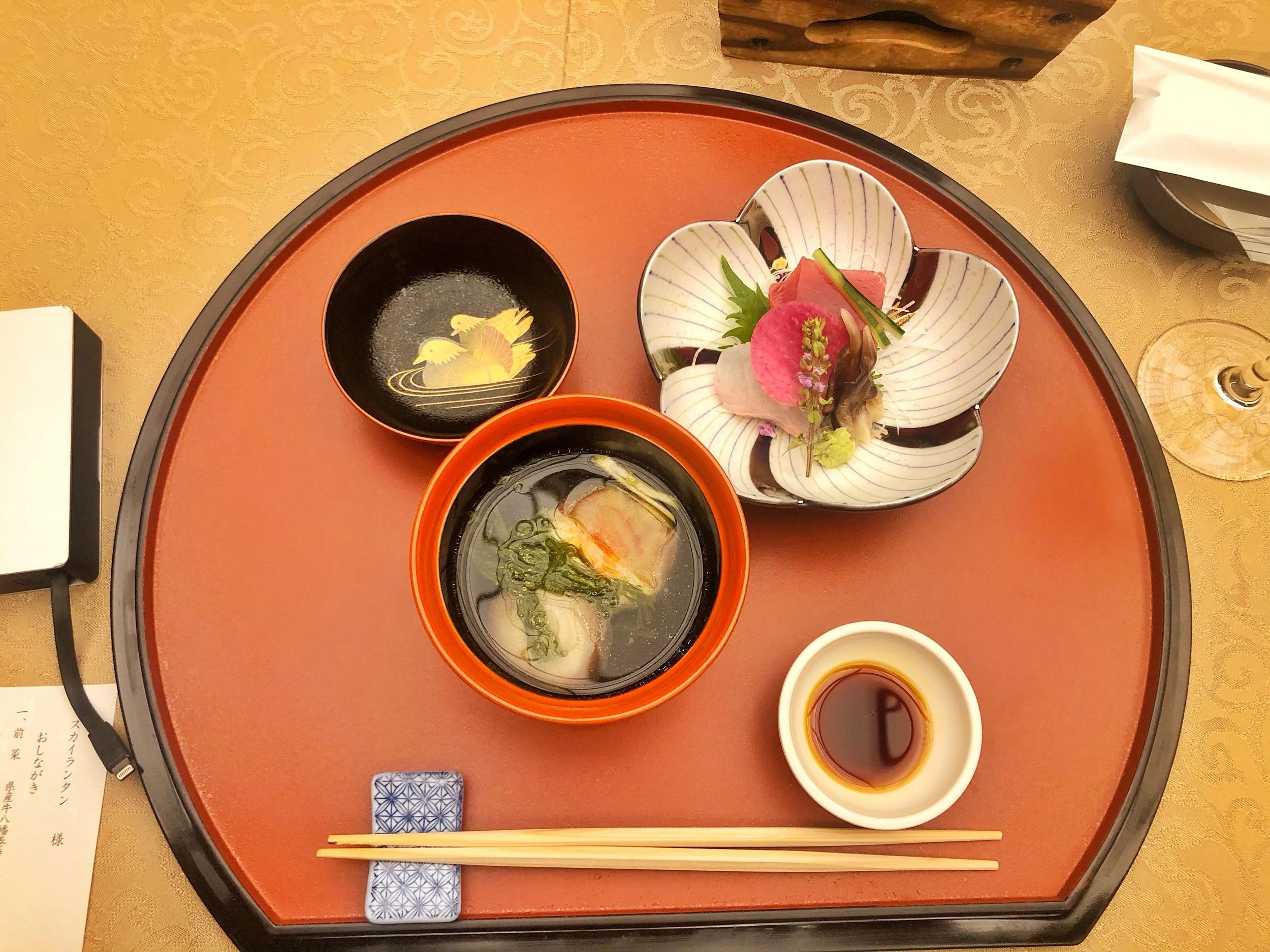
The range and amount of dishes you will be served are up to the Chef’s discretion. Generally you will find most Kaiseki dinners have anywhere between 8 - 18 little dishes, depending on the season, the amount of produce available and simply the Ryokan’s preference. Sometimes the order of the slightly heavier dishes may alternate (like the agemono, nabemono, yakimono, shiizakana) but this is an example of the general order.
Recently I’ve noticed some Ryokans giving the option of a “simple/light” Kaiseki dinner as well as the “classic” Kaiseki (terminology differs for every Ryokan). There are always options to have more “premium” style Kaiseki (options of Wagyu/whole fish etc). I prefer the normal “classic" Kaiseki as they are often delicious and have more than enough food for me.
However if this is a “once in a lifetime” experience for you, add those extra premium food items!
Below are some photo examples (left to right for each description - if viewing on phone) and brief descriptions of dishes you may be served at your Kaiseki!
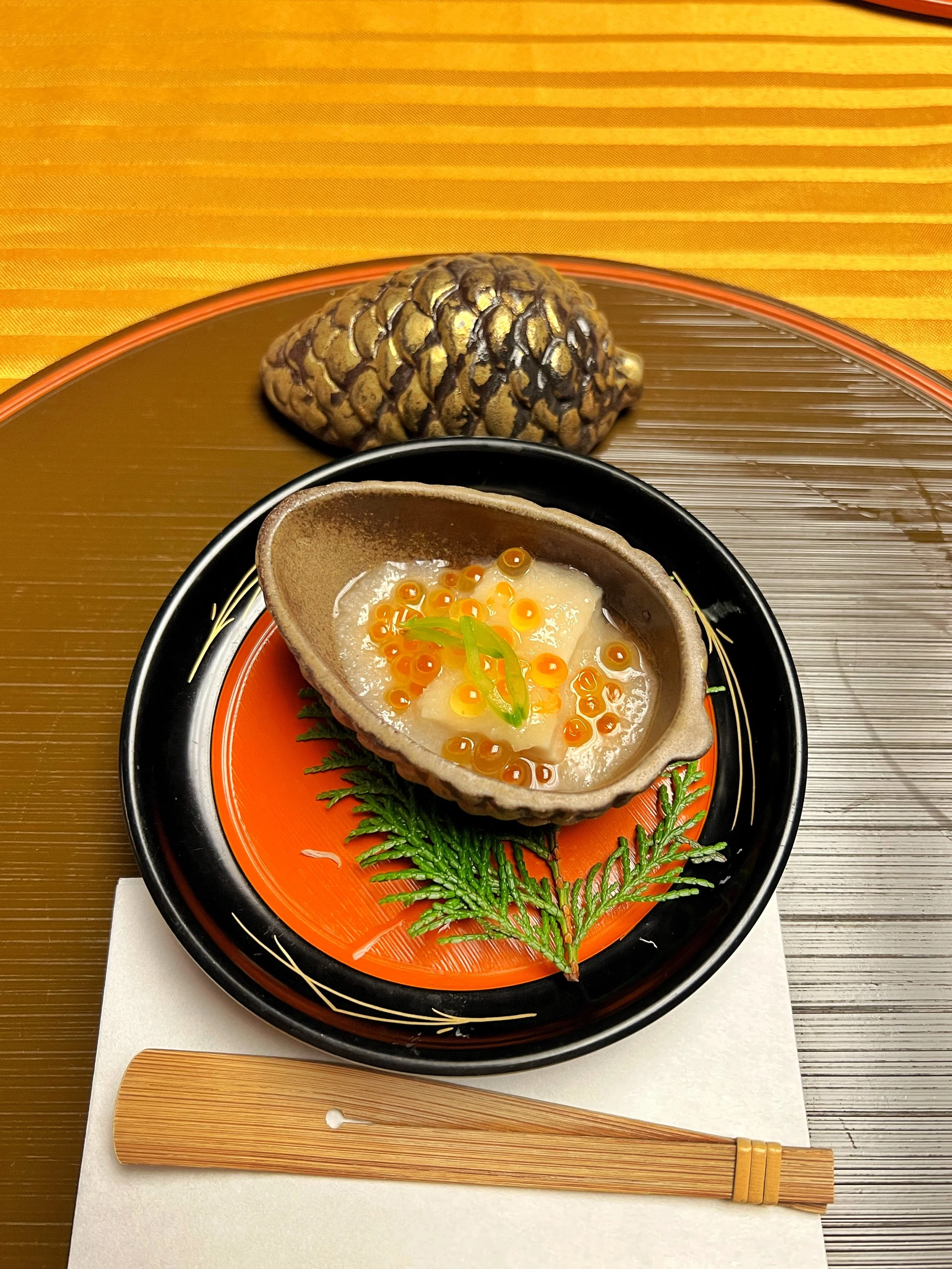
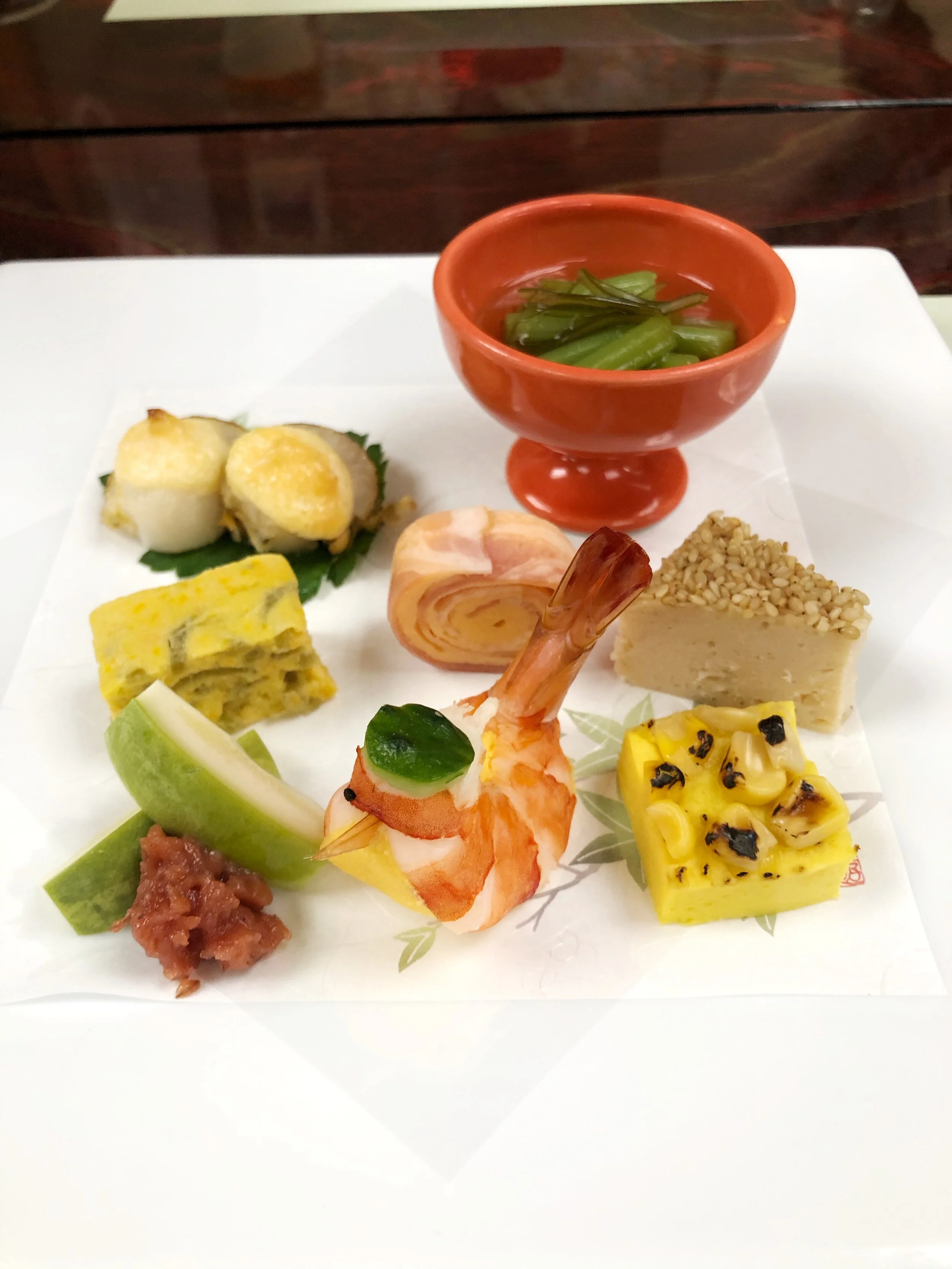
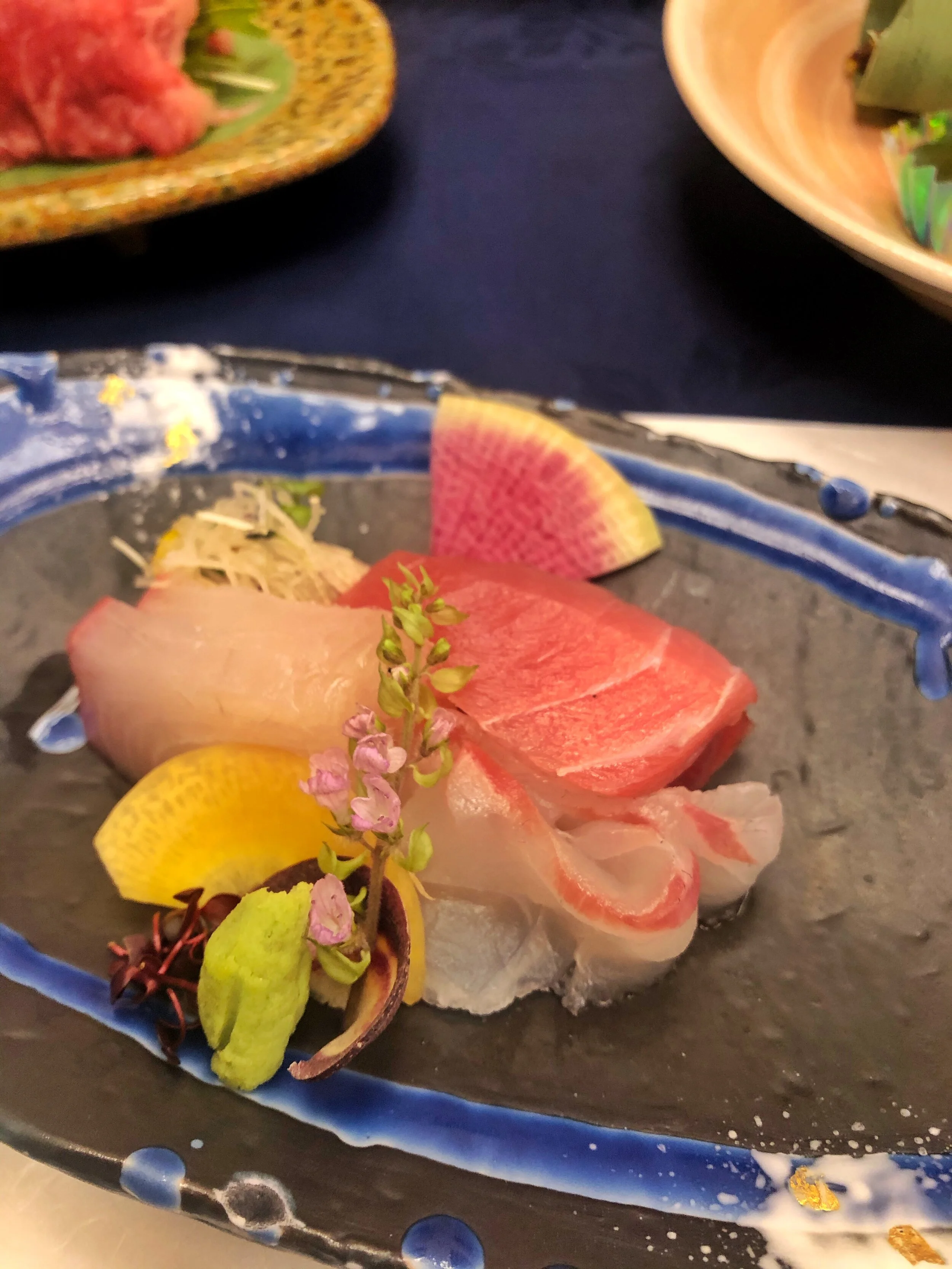
SHOKUZENSHU - 食前酒
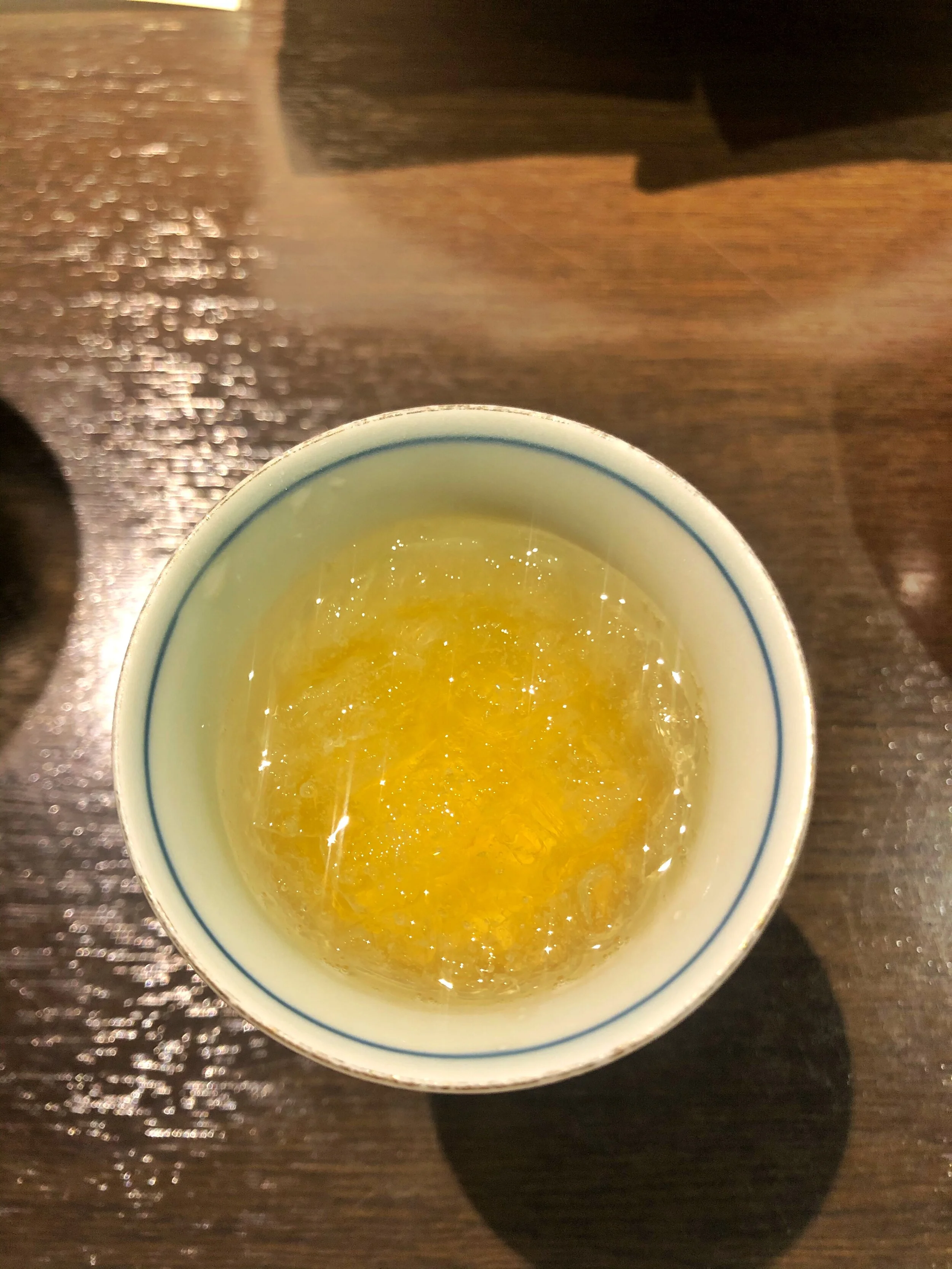
A starting dinner drink, often a small cup of regional/ homemade umeshu/sake in my experience
*
SAKIZUKE - 先附
A starting appetizer, often served alongside the Shokuzenshu. Generally tofu, shellfish, dressed vegetables, yuba may be served with light, delicate flavours
*
HASSUN - 八寸
ZENSAI - 前菜
The second course, which sets the seasonal theme. Typically one kind of nigiri and several smaller side dishes
*
MUKOZUKE - 向付
OTSUKURI - お造り
a sliced dish of seasonal sashimi.
*

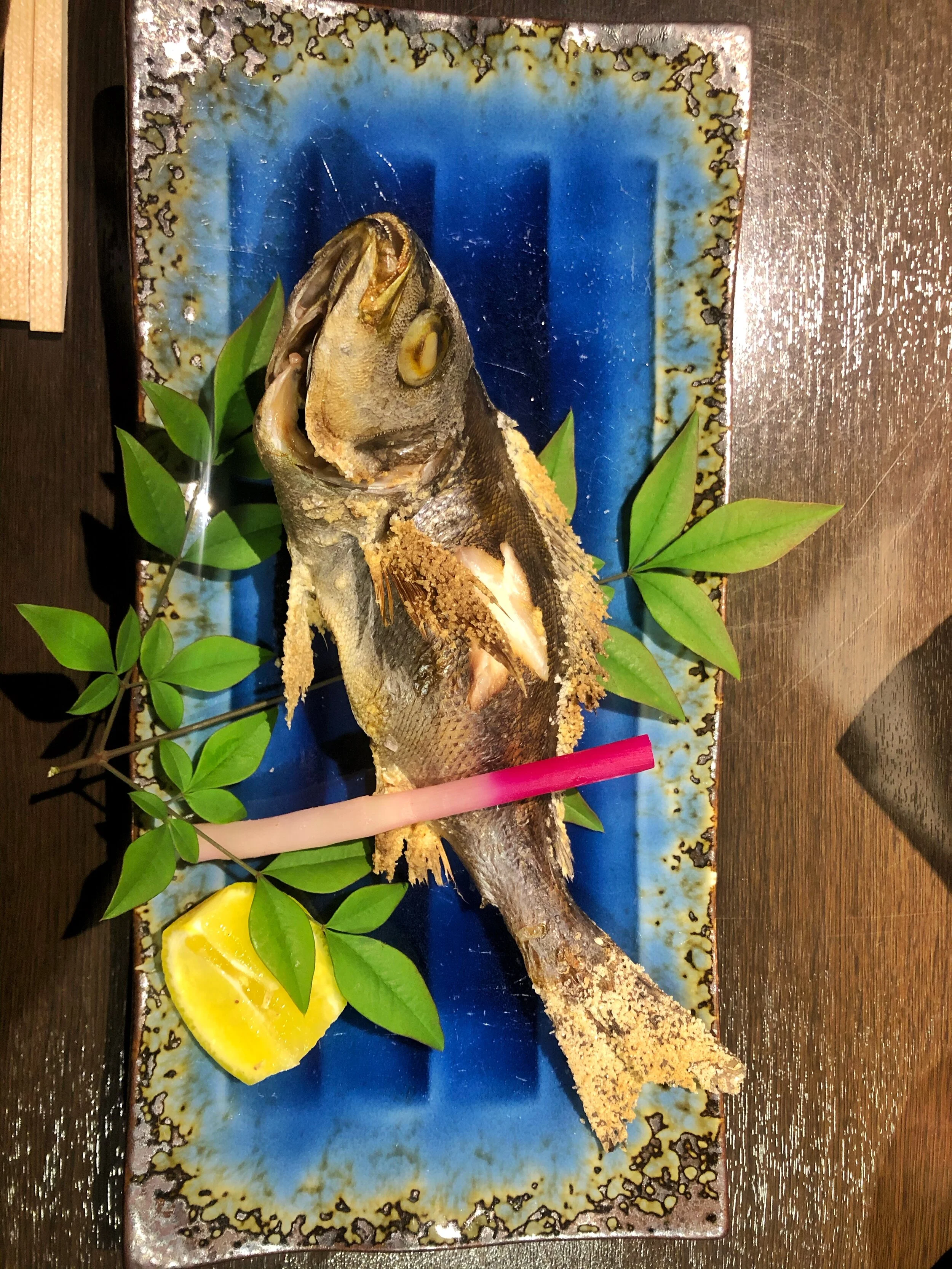

SUIMONO - 吸い物
THE FIRST “FUTAMONO” - 蓋物
A "lidded dish"; typically a soup.
*
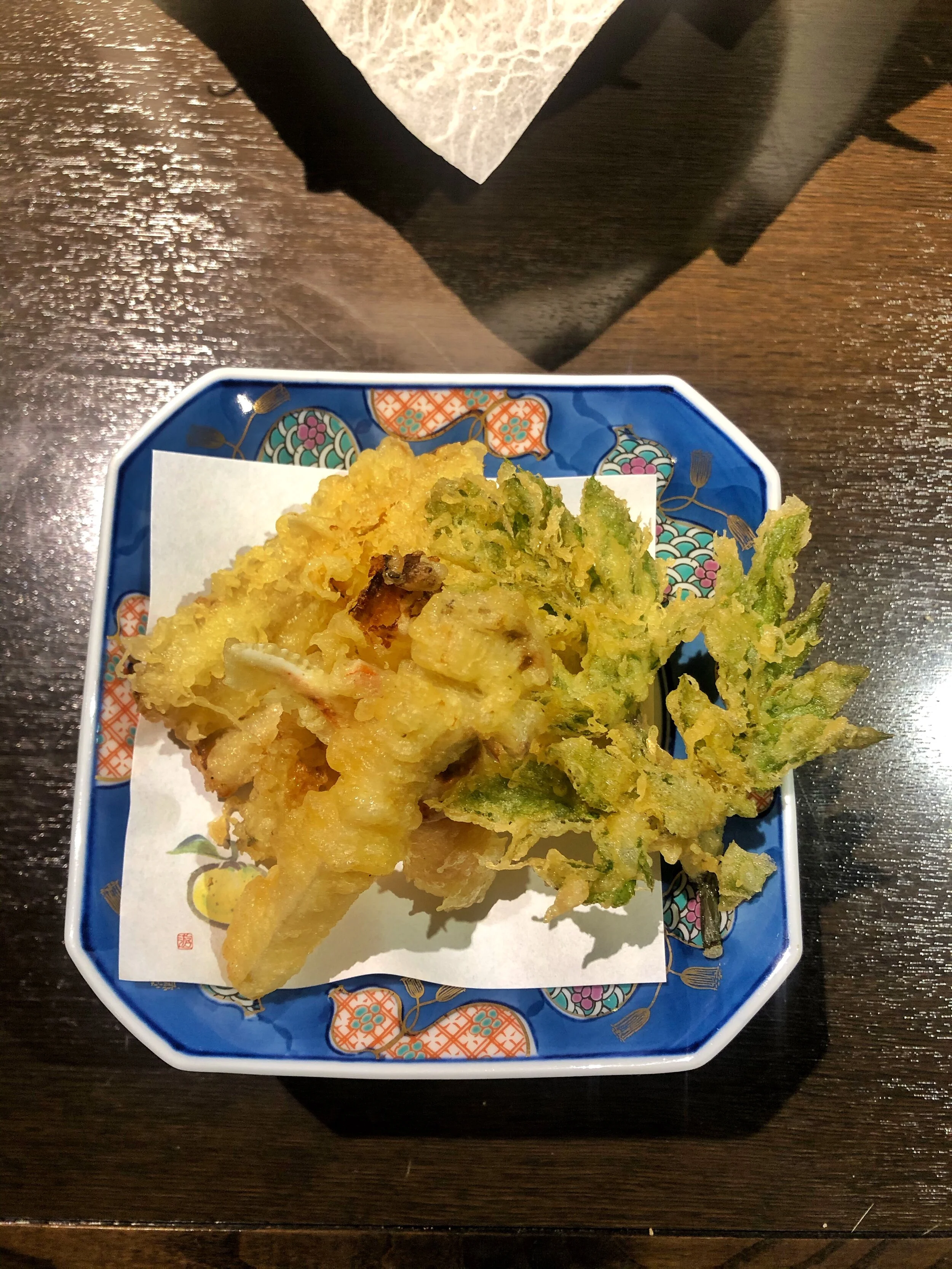
AGEMONO - 揚げ物
A deep fried dish; typically seasonal tempura, some fresh seafood & local vegetables
*
YAKIMONO - 焼物
A type of flame grilled main, can be fish or meat. Served in a dish of pretty pottery/earthernware.
*
TAKIAWASE - 煮合
Generally bright vegetables served with meat, fish or tofu. The ingredients are simmered separately.
*
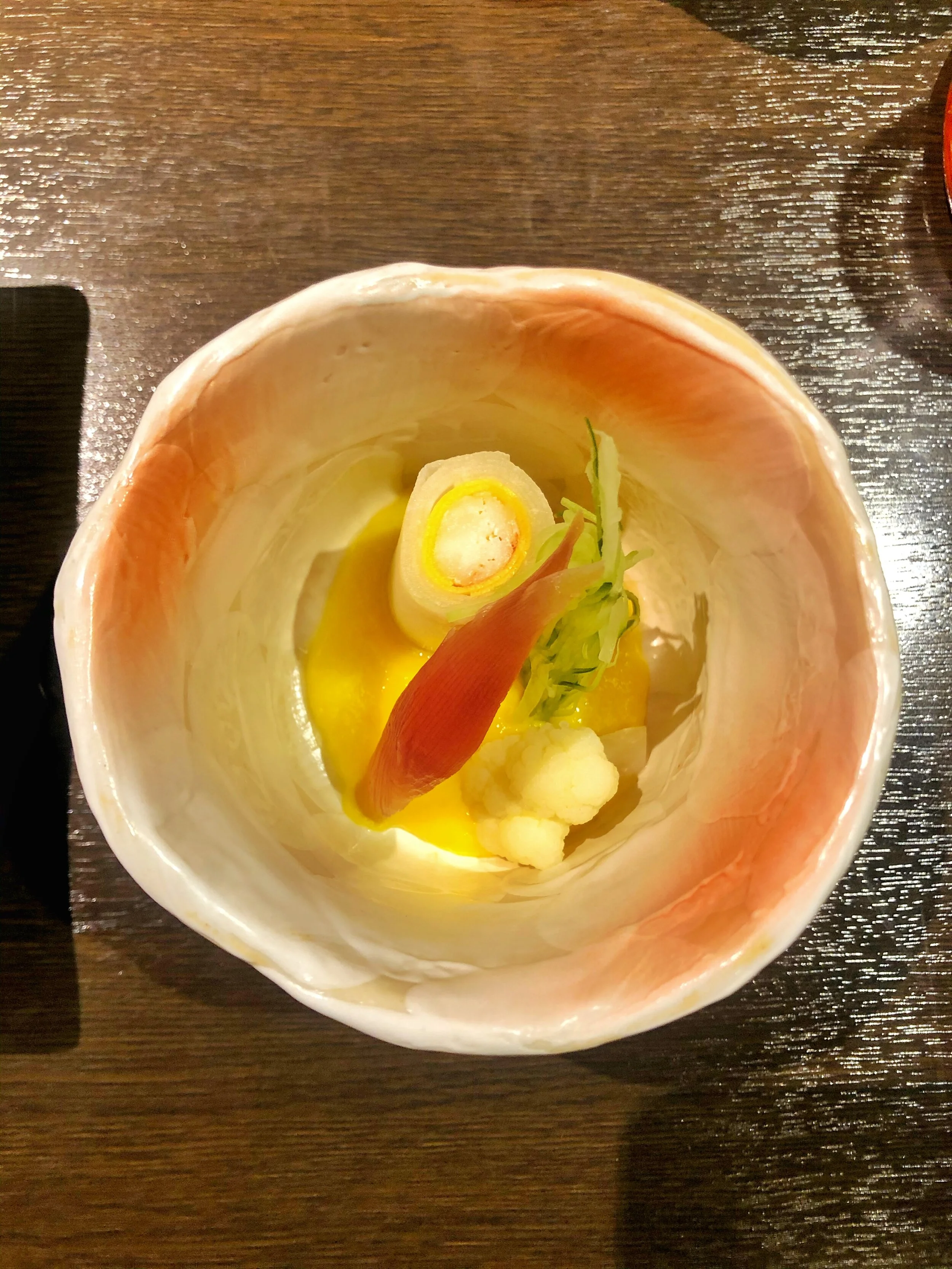
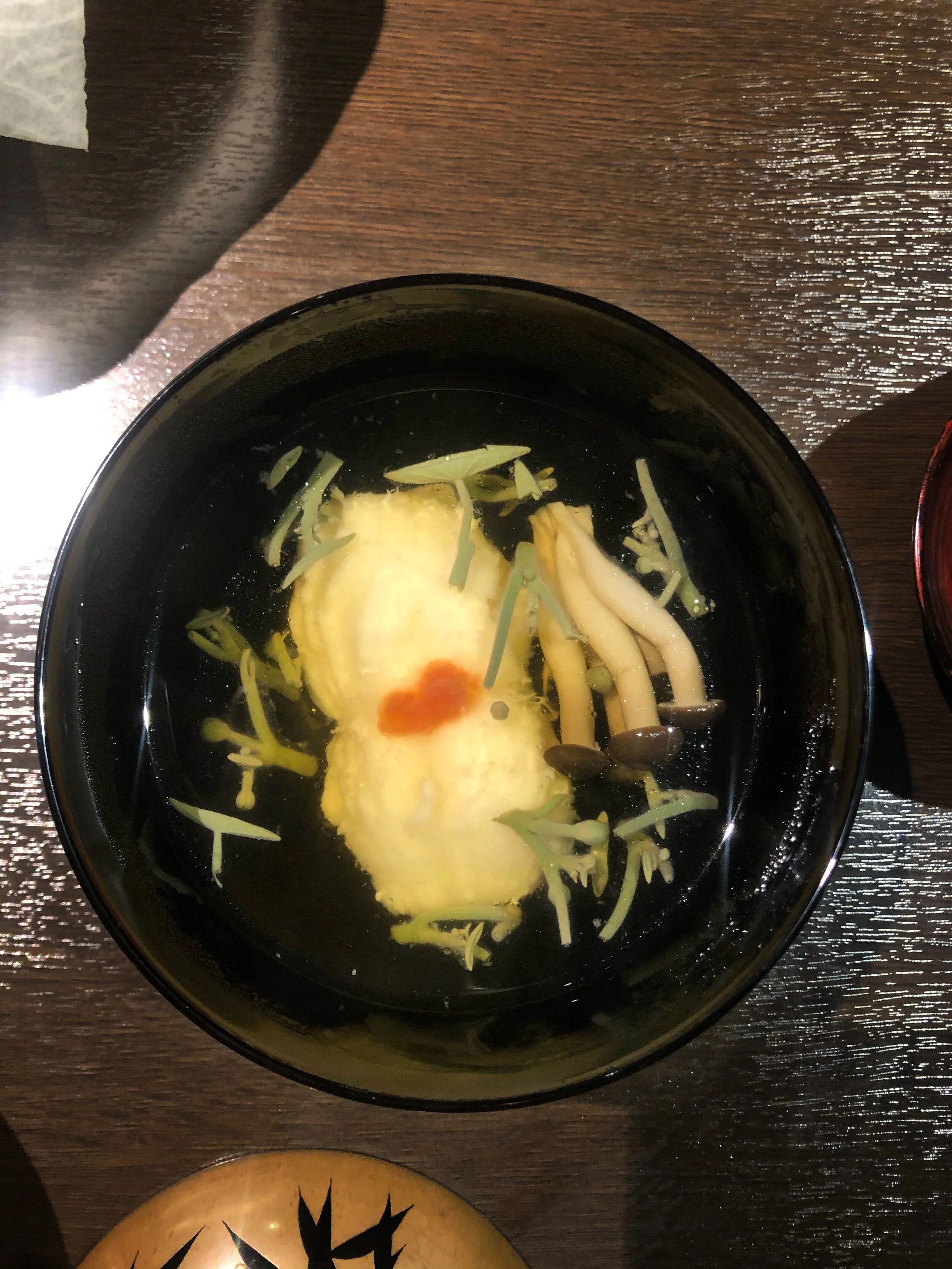

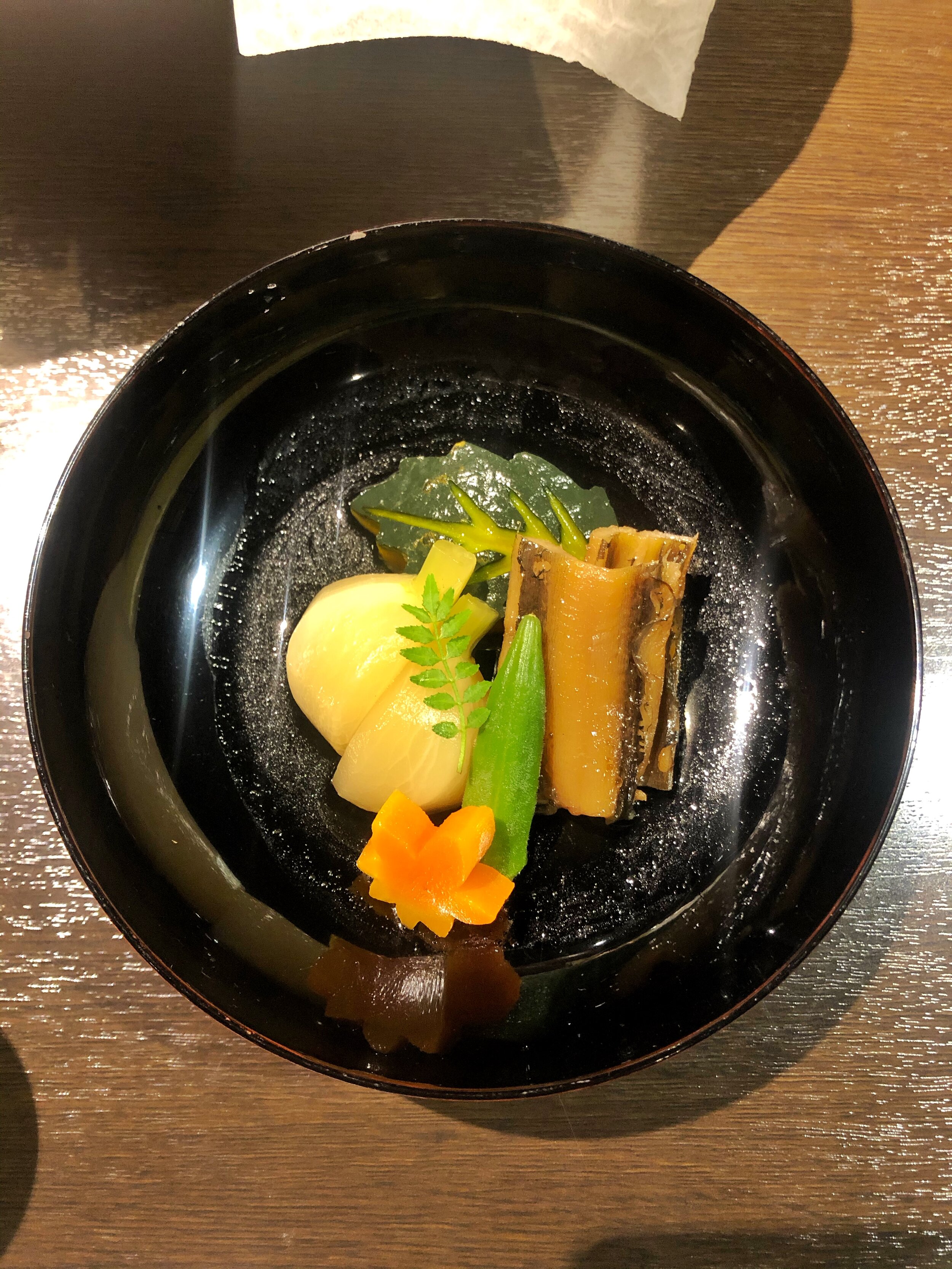
SUZAKANA - 酢肴
SUNOMONO - 酢の物
Vinegared appetizer: a small dish generally of vegetables served midway in between the mains generally to cleanse the palate.
*
WANMONO - 椀物
THE SECOND “FUTAMONO” - 蓋物
Another type of lidded soup dish served in between the mains.
*
MUSHIMONO - 蒸し物
A steamed dish (eg. CHAWANMUSHI | 茶碗蒸し ie. steamed egg custard) filled with seasonal ingredients like mushrooms, pieces of seafood, local vegetables & most likely a gingko nut.
*
NAKA CHOKO - 中猪口
another palate-cleanser; may be a light, acidic soup. Can be served before or after the heavier main dishes, or even both times depending
*


SHIIZAKANA - 強肴
DAINOMONO - 台の物
NABEMONO - 鍋物
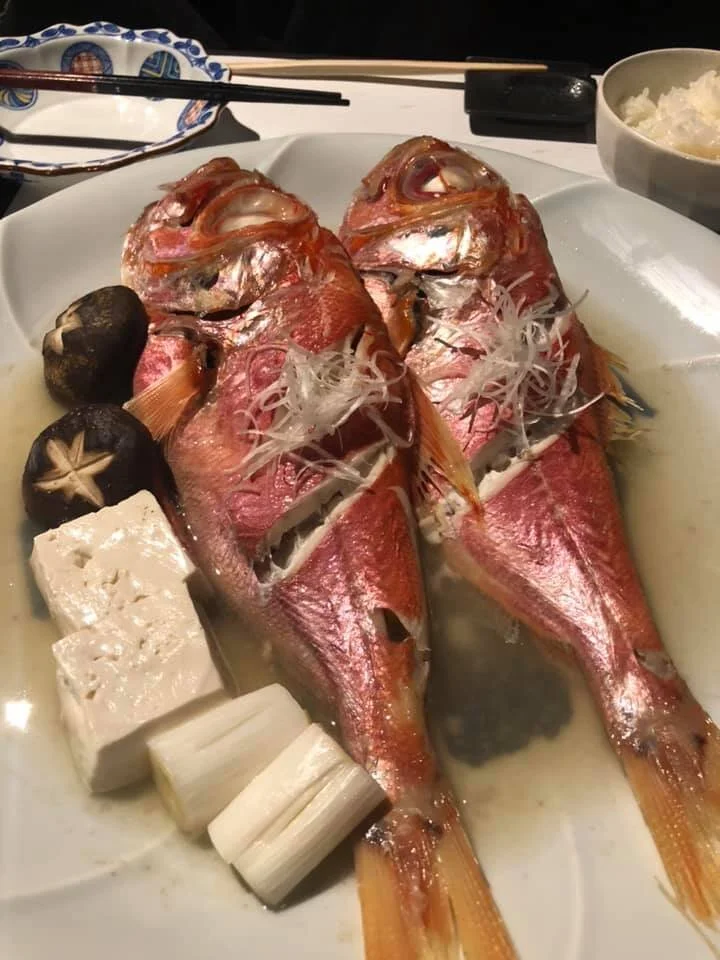
the “main dish” (Shizakana) often consists of a filling meat or fish dish, perhaps served with tofu and vegetables. Depending on the establishment - it may just be a single main dish or you may get a variety of the three.
Means the Kaiseki is nearly ending
*
NABEMONO - 鍋物
A hot pot dish, can be served with tofu, vegetables and/or meat, fish,
Can be served like a Sukiyaki where you cook the beef in the hot pot and dip in raw egg.
Or served like Shabu Shabu, where you gently simmer the meat or fish in a soup broth.
*
DAINOMONO - 台の物
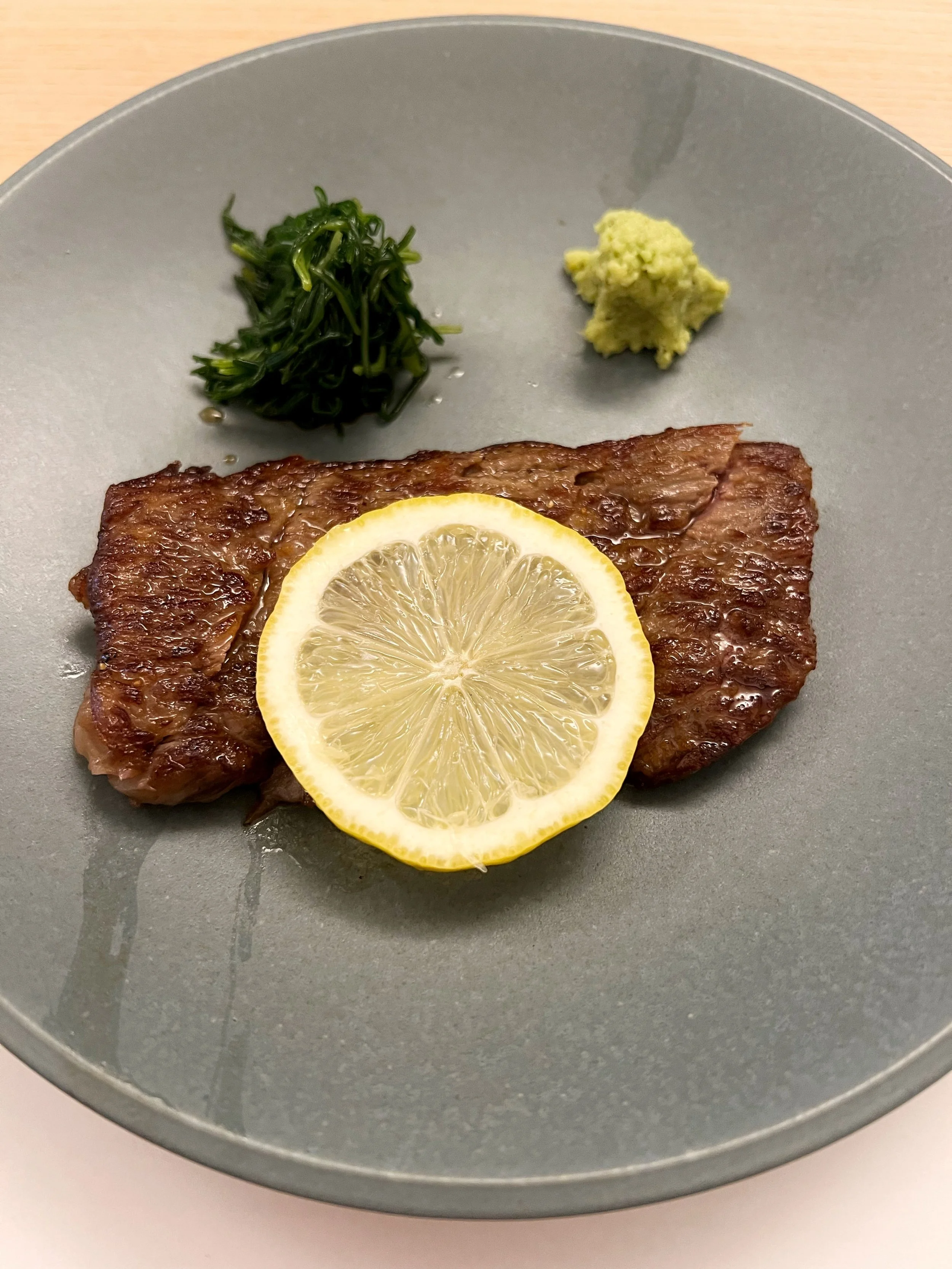
A main dish commonly cooked/grilled over a small burner and hot plate. Often its beef with seasonal vegetables. Condiments can be provided but generally the meat is already seasoned.
TIP: If its beef, ask for a small serving of wasabi. My favourite way to eat a grilled steak now - salt, pepper, simple seasoning and wasabi
*


THE SHOKUJI
the final dishes of the Kaiseki banquet
*
GOHAN - 御飯
KONOMONO - 香の物
TOMEWAN - 止椀
rice dish made with seasonal ingredients with seasonal pickled veggies & a miso soup
*
MIZUMONO
水物
a seasonal dessert/local dessert specialty
eg. fruit, some types of sweets, ice cream or cake.


Ready For Your Onsen Ryokan Stay?
read our “Little Tips and Travel Advice” to have the best onsen ryokan stay
read all about “Onsen Etiquette”so you feel comfortable with the cultural norms in onsen bathing
Wondering what happens once you check in? Here’s the indepth guide.
STILL WONDERING WHERE TO STAY?
discover our favourite “Traditional Onsen Ryokan Stays” (all personally experienced!)
trying to find an onsen stay experience in central Tokyo? read our article making sure you don’t fall into the Tokyo Private Onsen Trap!