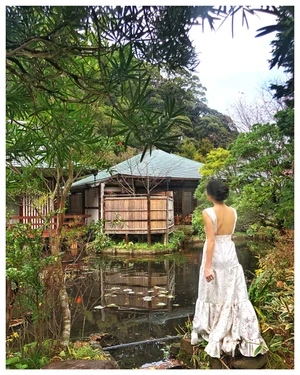
Sacred Togakushi Shrine
The Mystical, Magical Togakushi Shrine
Midway between Hakuba and Nagano city lies Mt Togakushi, the site of one of Japan’s most sacred spiritual spots.
The base of the mountain is home to Togakushi Five Shrines, of which travelers can hike the Togakushi Kodo trail to visit all five shrines; Hokosha, Hinomikosha, Chusha, Kuzuryusha and Okusha.
Roughly a 4 hour hike one way (or 3.5hr bus journey) to visit all of its five shrines, the surrounding scenery is beautiful all year especially during autumn and entirely magical during the snow season, as the area transforms into a mystical winter wonderland (will share winter in Togakushi soon!)

Please Note: This article contains some affiliate links. If you make a reservation through one of these links,
I will receive a small commission at no additional cost to you. Every property and destination featured on this website has been personally experienced by the writer, and are their personal thoughts and opinions.


The Legend Behind Togakushi Shrine
The shrines are famous for their association with the legend of the sun-goddess Amaterasu-Omikami; when she locked herself away in a cave embarrassed by her little brother’s (Susano-o-no-Mikoto) behaviour thus depriving the world of sunlight, in what is now present day Takachiho (Miyazaki Prefecture).
Without her light, the world was cloaked in darkness, so the other gods and goddesses strove to return light to the world. A festival was proposed by the god of wisdom where the goddess of arts danced to capture Amaterasu’s attention as the other gods laughed and cheered happily. Curious, Amaterasu opened the rock door to the cave a crack allowing the god of power to seize the rock and fling it into the sky with all his might, restoring the world’s sunlight.
The rock door thrown into the sky, fell to Earth and became Mt Togakushi. Togakushi literally translating into “hiding door”.
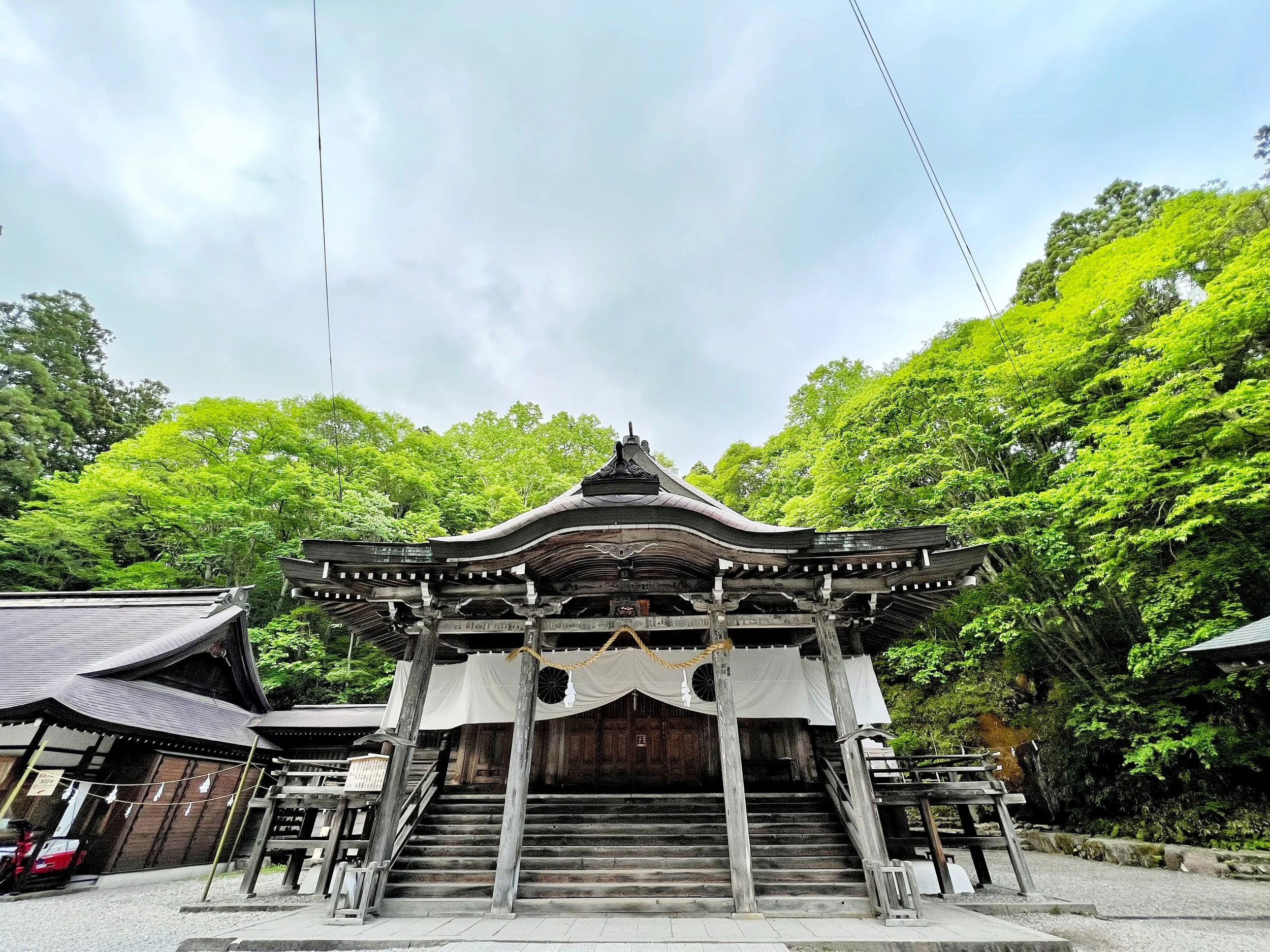
Togakushi’s Five Shrines
Togakushi’s five shrines each enshrine a deity that was responsible in bringing back Amaterasu. Hokosha, the lower shrine is the oldest of the shrines, with Amenouwa-haruno-mikoto; its deity being of the arts, sewing, warding off evil and being a protector of women and children specifically for safe childbirth.
Built in 1098 the next shrine on the pilgrammage; Hinomikosha pays homage to Ameuzumeno-mikoto, the god of performance and matchmaking. Hinomikosha is the only shrine in the mountain which remained as a shrine even during the time when Shintoism & Buddhism coexisted together.
Chusha is the middle shrine, and aptly is roughly a 2km distance between the lower shrine Hokosha and the final upper shrine Okusha. Constructed in 1087, a painting depicting a dragon adorns the ceiling, enforcing the magical, mystical aura of the area. The shrine is dedicated to Amenoya-gokoro-omoikaneno-mikoto; the god of wisdom, creativity, success in exams, study and business.

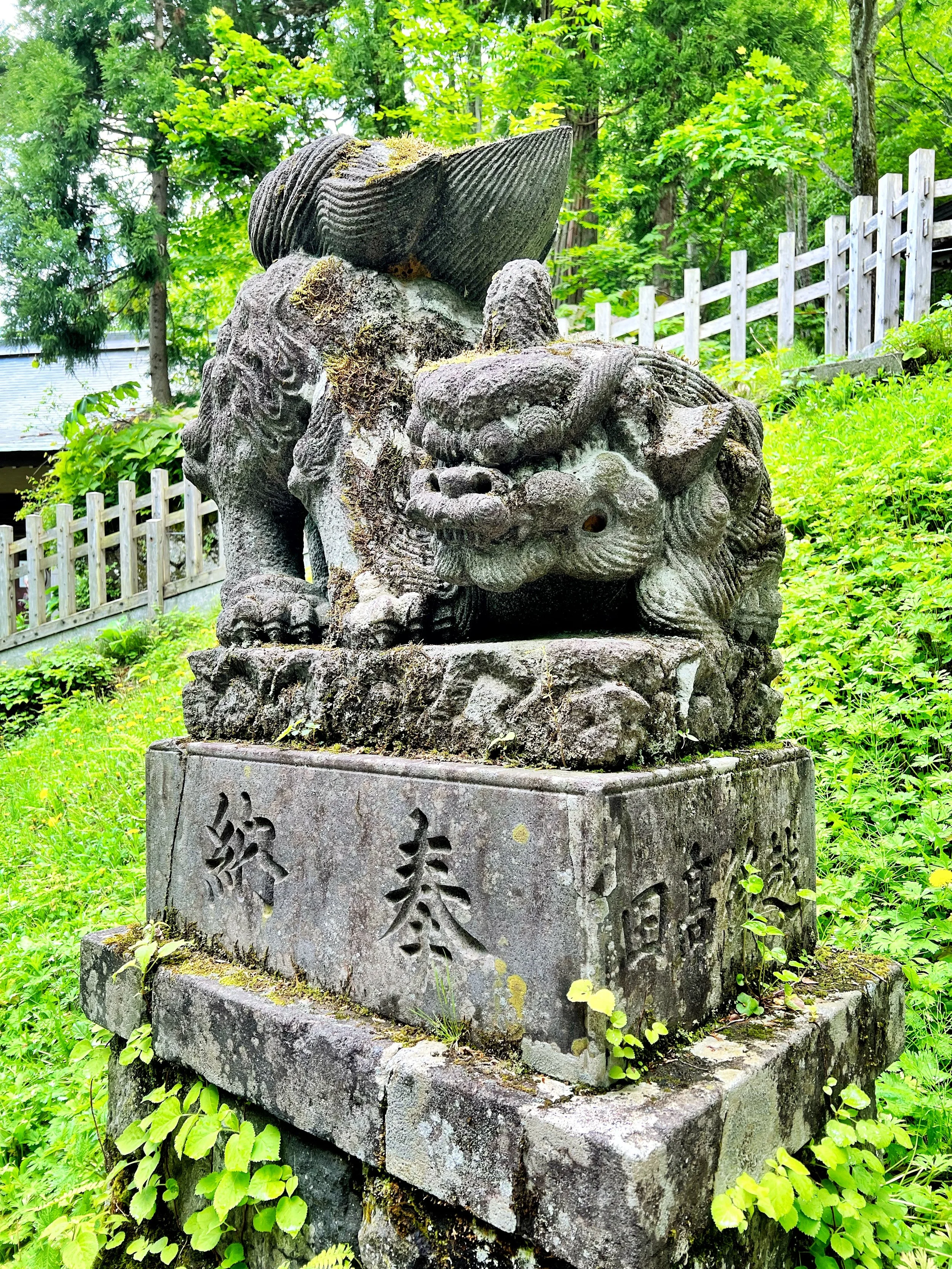

The Deity Kuzuryusha
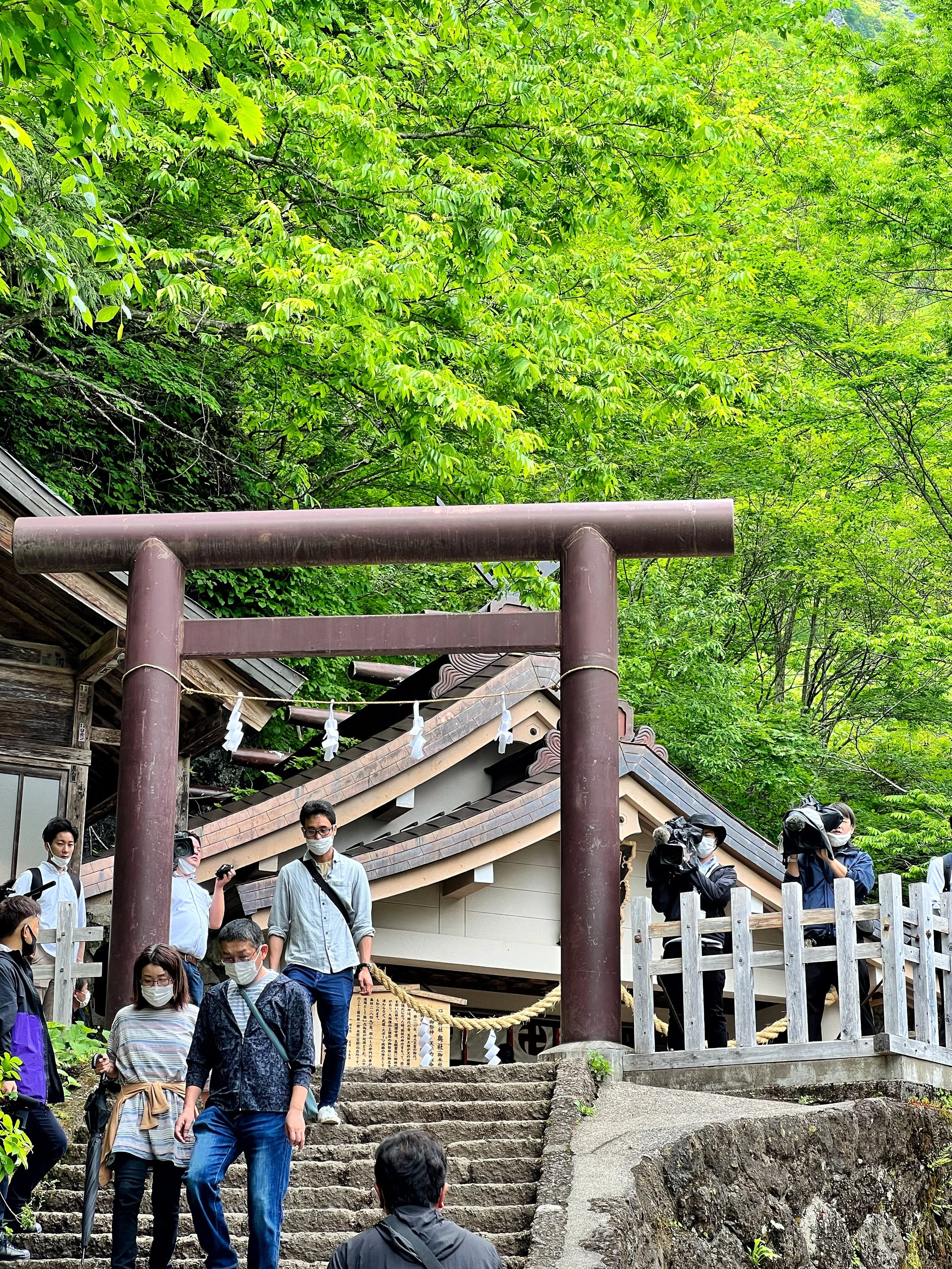
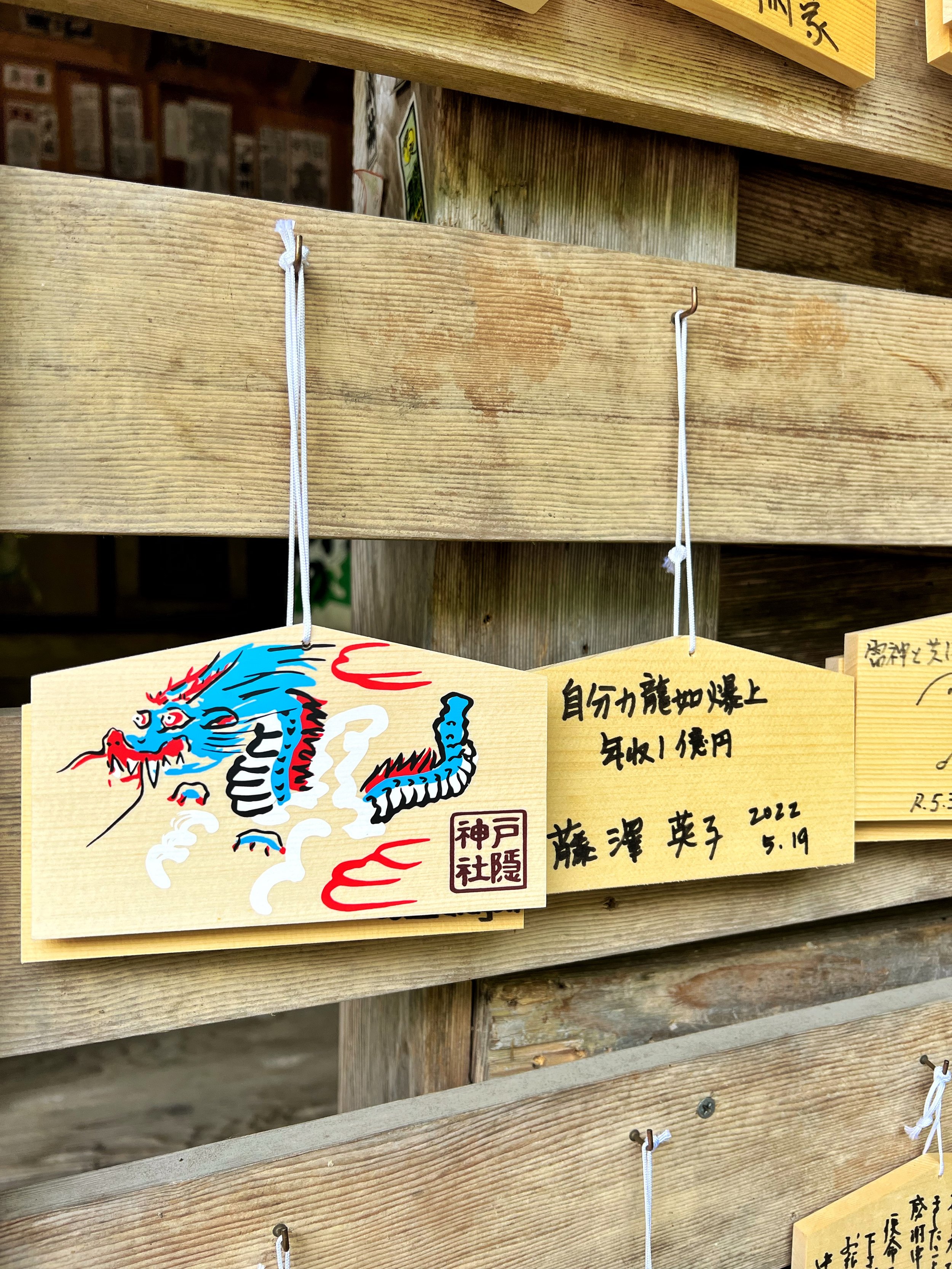
Kuzuryu-okami, the deity of water, the origin of life is a dragon with nine heads in which the 4th shrine represents. Out of all of Togakushi’s shrines, Kuzuryusha has the longest history as the local god.
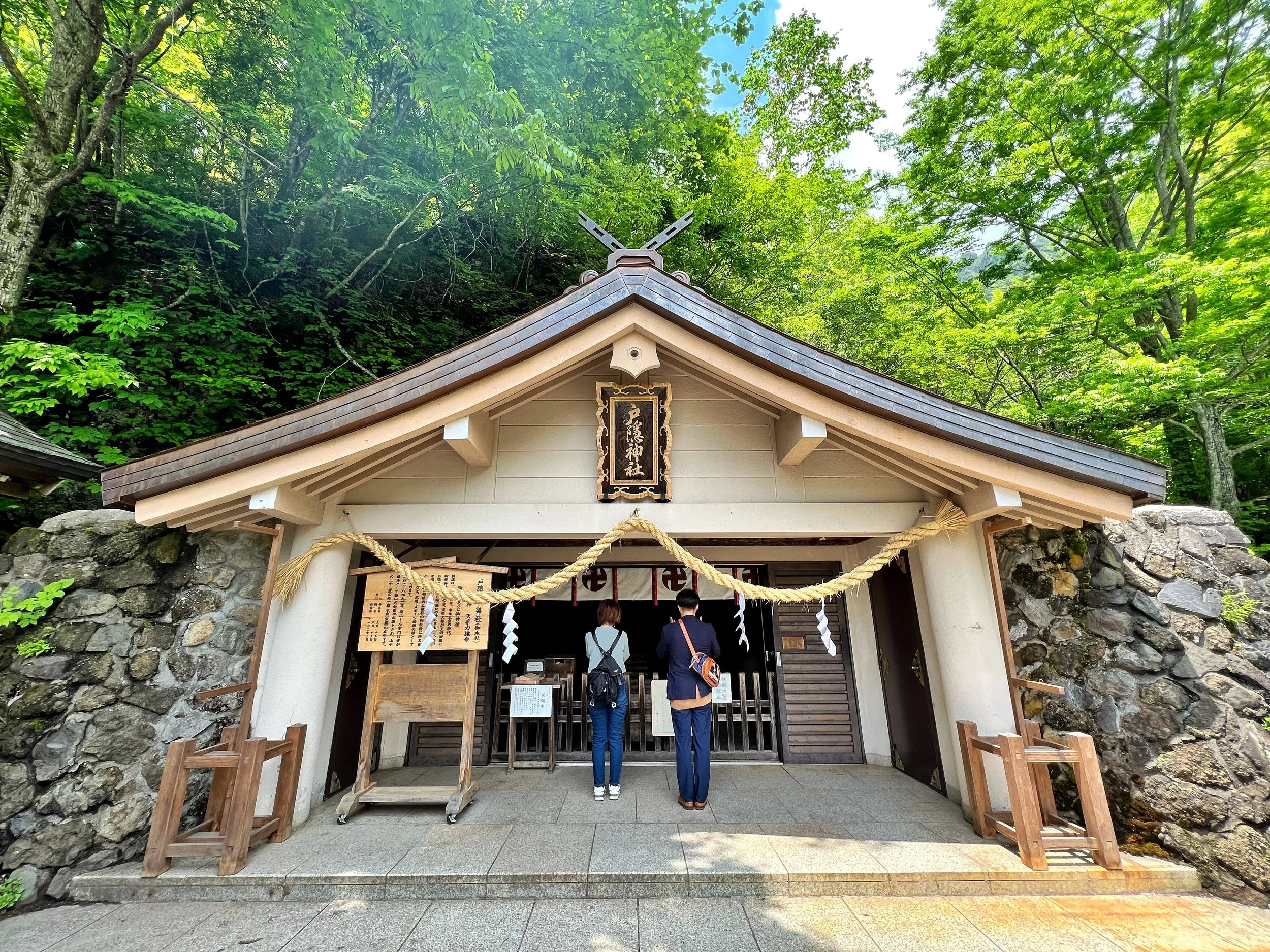
A short walk up the steps leading from Kuzuryusha is the main shrine Okusha; dedicated to the god of power, Ameno-tachikarao -no-mikoto who flung away the door that hid Amaterasu in Amano-Iwato cave from the world.
The Walk Through the Cedar Trees
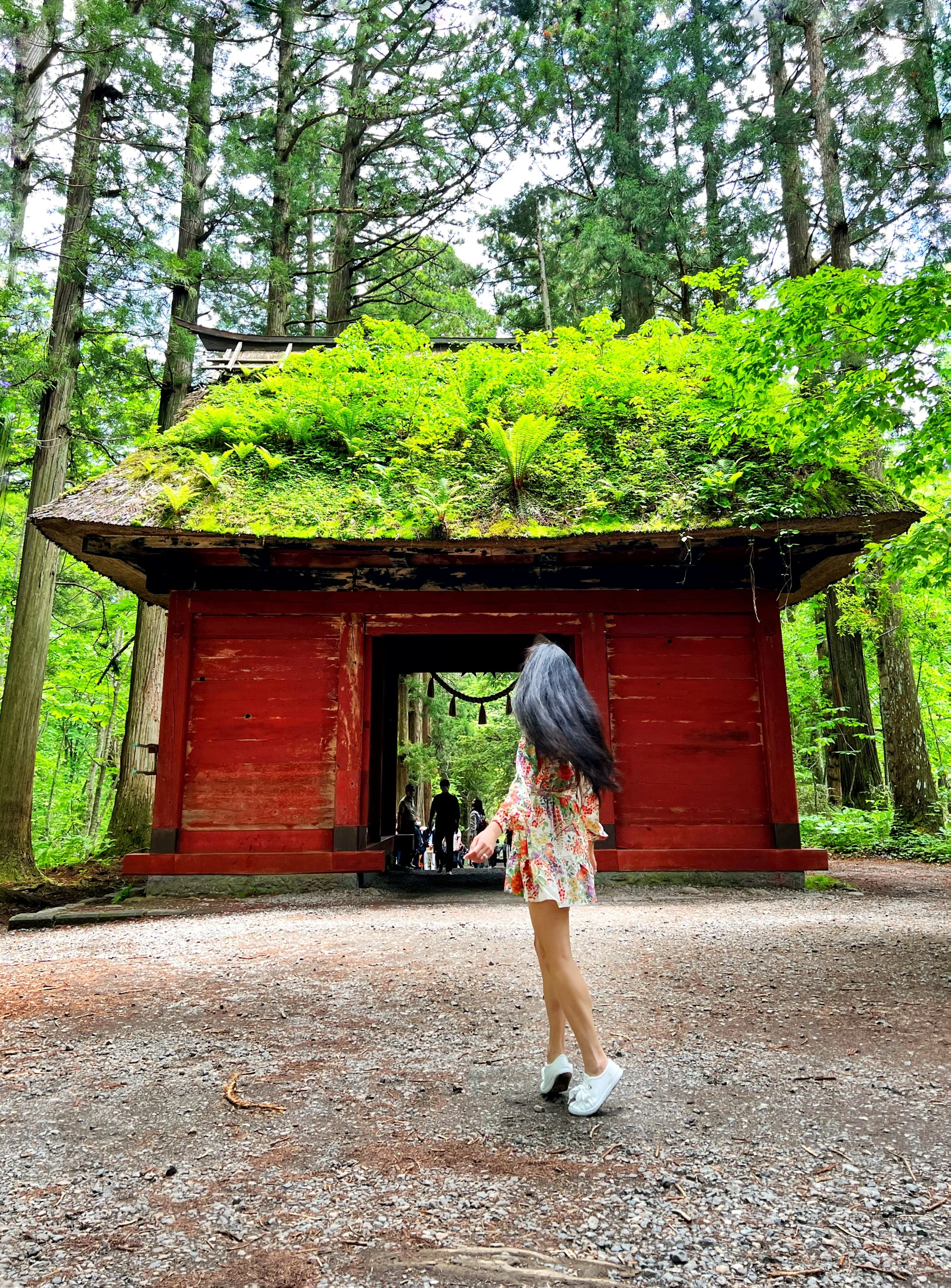
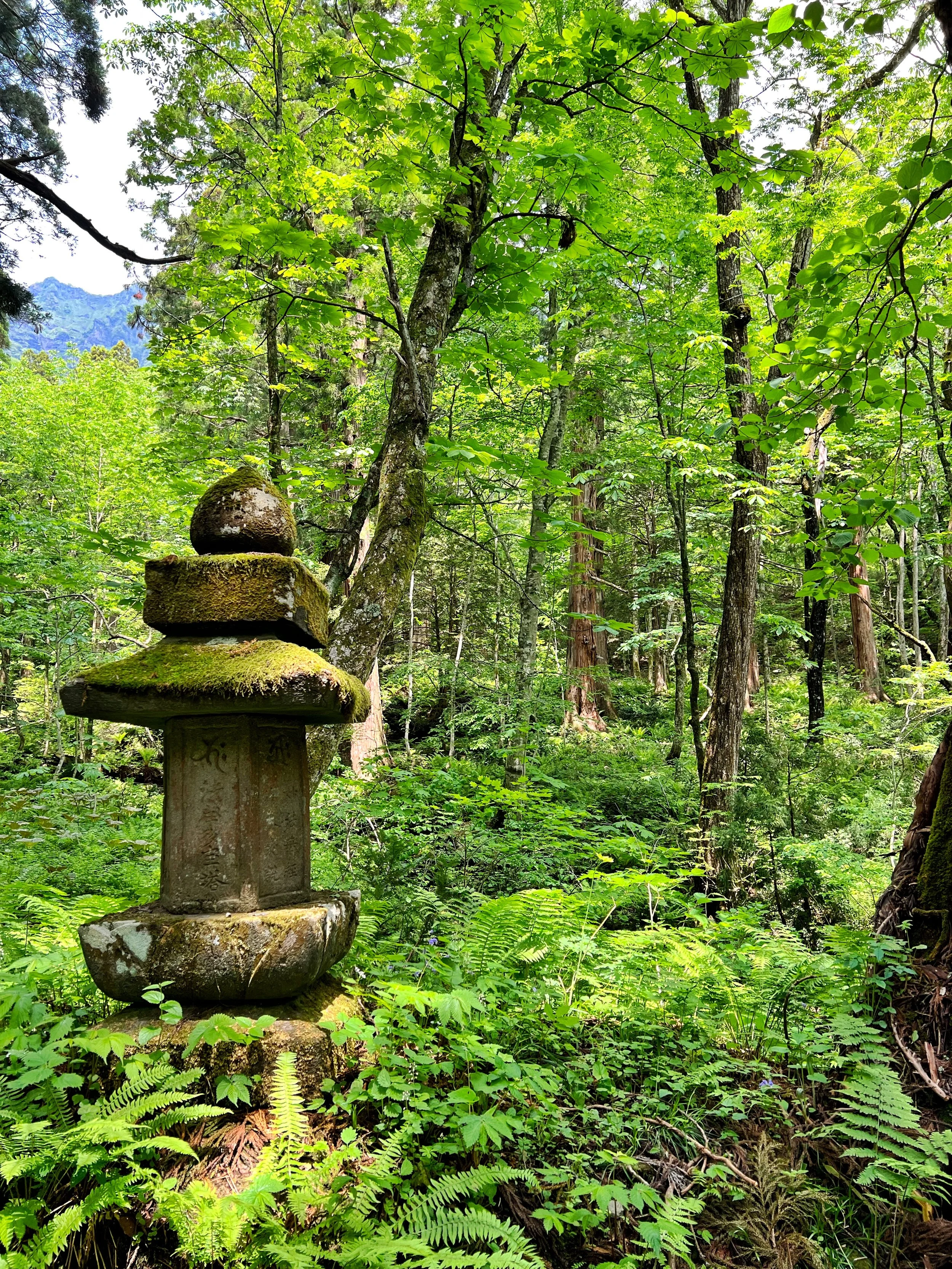
The walk up to Kuzuryusha and Okusha is exceptionally stunning, as you pass through the presence of the thatched roof Zuijin-mon Gate you will enter the Avenue of Cedar Trees.
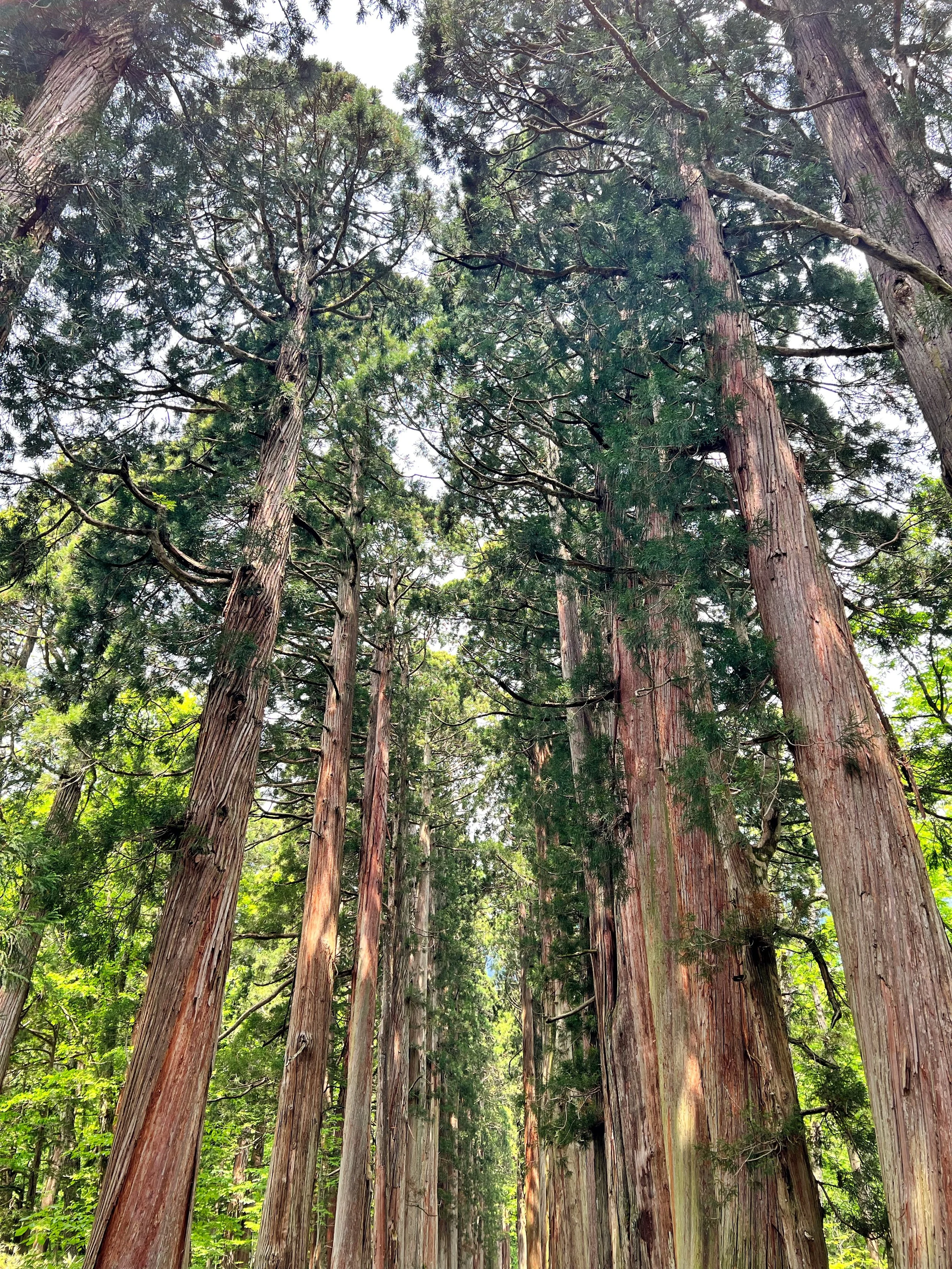
Truly breathtaking, these green giants reach to the skies on the approach to Okusha. Over 400 years old, these 300 cedar trees line the roughly 500m mountain path. A few of the shrines have even older cedar trees in their vicinity.

Is a Day Trip Possible?
Though many complete the pilgrammage in a day, for those who want to have a more leisurely experience and appreciate the beautiful scenery, one can spend a night in a local traditional shukubo (Japanese temple) stay. Conveniently around the Chusha shrine, are several shukubo available to rest, with meals available and public baths to soak in.
Scattered around the area are various soba restaurants which specialise in the famed Togakushi Soba, one of the “Three Great Soba Noodles of Japan.” A perfect satisfying meal after a hike
FUN FACT: Did you know mountains in Japan are always referred to as female, as the main deity residing in each one is a Goddess, for only they can bear life.


DETAILS
WEB: TOGAKUSHI JINJA
IG: @TOGAKUSHI_JINJA
OTHER PLACES TO STAY / THINGS TO DO
Oumeitei Tsuji Ryokan- a traditional shukubo temple stay by Chusha shrine.
Kai Matsumoto- one of Hoshino Resorts onsen ryokan - a boutique property in Asama Onsen
Matsumoto Honbako- a historic onsen ryokan turned into a modern onsen hotel celebrating books
Togakushi Soba - taste one of Japan’s Three Great Soba Noodles
Nagano City
Hakuba Happo One
TRAVEL FURTHER
Fukui Prefecture - visit Tojinbo cliffs, soak in relaxing onsen and eat yummy seafood.
Ishikawa Prefecture- discover a prefecture full of rich arts, culture, history and fabulous onsen
Niigata Prefecture - coming soon
Toyama Prefecture- a charming prefecture beautiful in Spring and with delicious seafood