Onsen & Ryokan: Worth the Price?
BREAKING DOWN THE COSTS
What Should I Expect to Pay at an Onsen Ryokan/Ryokan Per Night?
You’re planning your trip to Japan and part of your wishlist is to spend a night or two at an onsen ryokan or traditional ryokan - but you have no idea what to budget. First let’s start breaking down how an onsen ryokan and ryokan stay work with their pricing and what you have to remember.
the rate is calculated at per person per night
generally you will have two meals: breakfast and dinner included in the price (unless you choose the breakfast only option/no meals option if its available)
a solo traveller will often pay the rate as if though two people are staying in the room ( a few rare exceptions exist - property dependent)
there will be an additional onsen tax charged at check-out (per person per night). It is normally a nominal fee - preferred in cash (especially by smaller onsen ryokan)
if you book a stay with two meals: the price per person per night can range anywhere from ~10,000JPY - 110,000JPY+
(depending on how luxurious the ryokan and your room is - if there’s a toilet, a normal bathroom/shower. A private onsen with the room is always towards the upper price range)
Please Note: This article contains some affiliate links. If you make a reservation through one of these links,
I will receive a small commission at no additional cost to you. Every property and destination featured on this website has been personally experienced by the writer, and are their personal thoughts and opinions.

Why is the Rate Calculated Per Person Per Night?
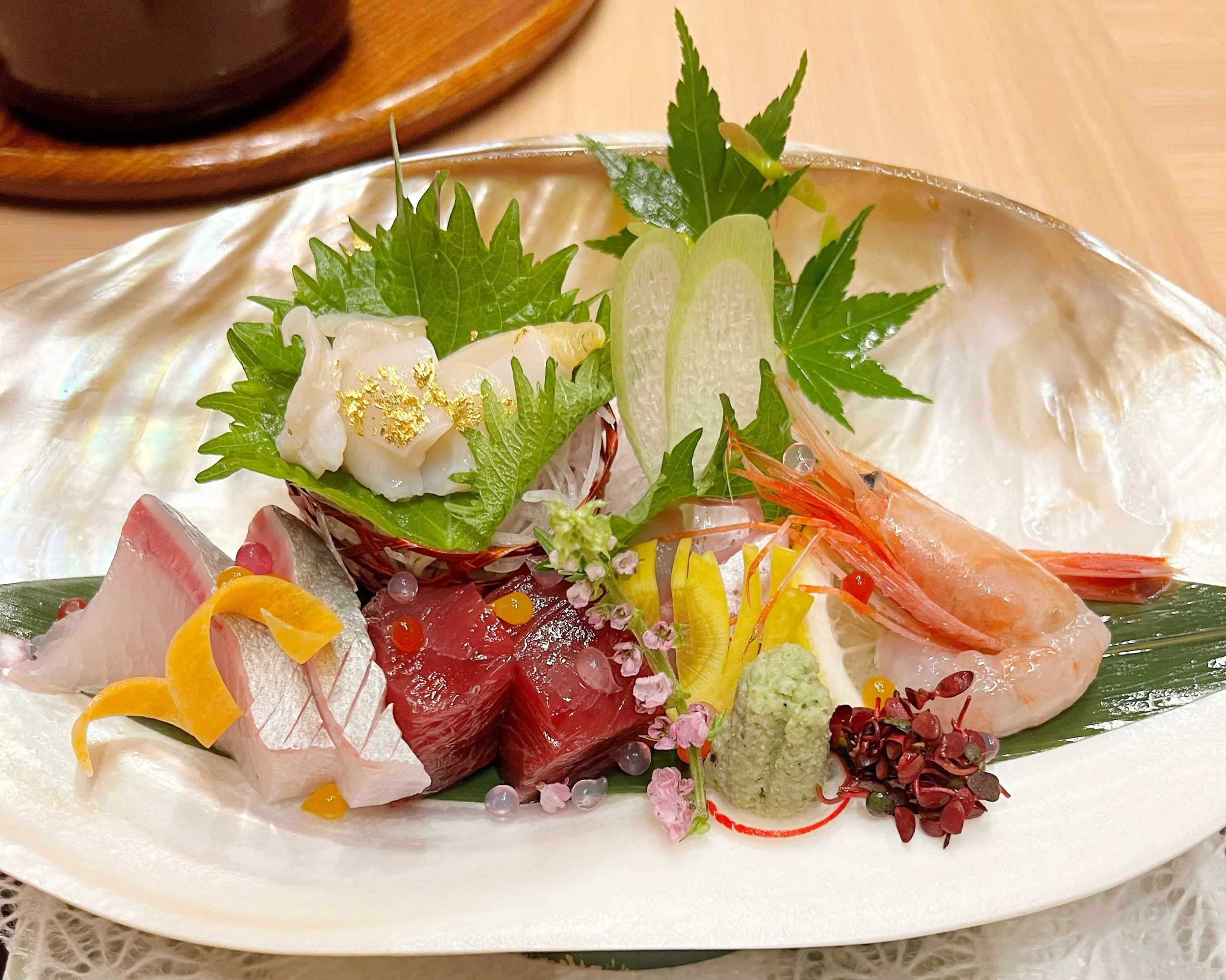
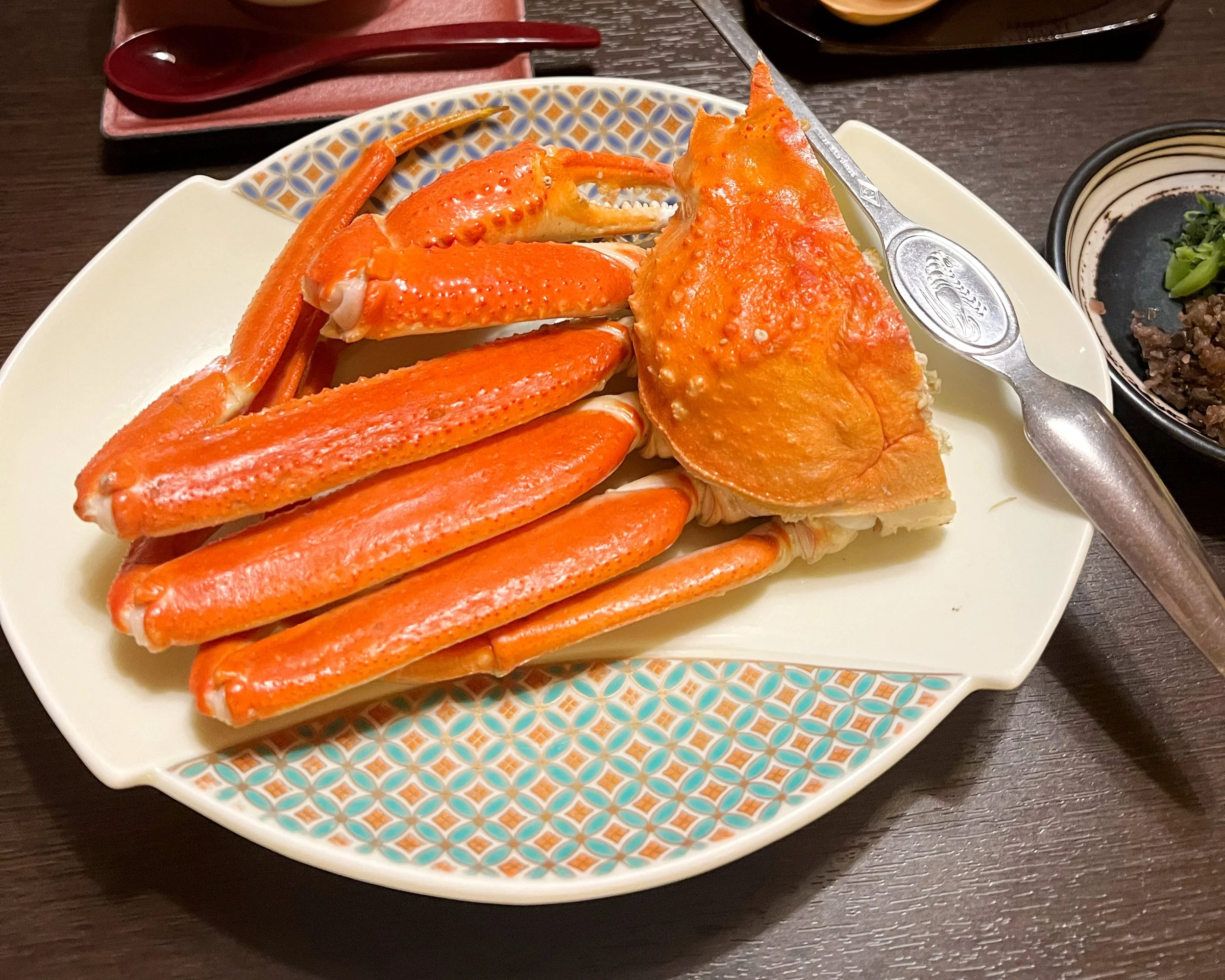
An onsen ryokan/ryokan’s nightly rate is calculated per person rather than simply a “room rate” because usually one’s stay always has two meals - a traditional Japanese breakfast (very filling!) and a sumptuous seasonal kaiseki banquet dinner, serving local seasonal produce and delicacies all meticulously prepared. Remember Kaiseki is traditional Japanese fine dining. The pricing per person per night reflects the quality and special experience one will get to enjoy, along with soaking in an onsen. It covers the cost of running an onsen ryokan/ryokan business. Obviously if one only books a stay with one meal (normally breakfast) or no meals - then the per person per night rate is cheaper.
Why are Solo Travellers Charged Double?
For a lot of onsen ryokan and ryokan, a solo traveller is charged double - because the rooms were constructed with the idea that a minimum of two people would be staying there and having two meals. Mathematically the premise loses out on substantial income if those rooms are only half filled. Some places may have a slightly cheaper rate if only one traveller stays overnight - but its not as common.
From what I’ve seen — only a few places I’ve come across will give a slightly cheaper rate - normally 50% more on top of the per person per night rate for a solo traveller. The rare ones I’ve seen that have rooms available for solo travellers at the per person per night rate are ones that have rooms which are more like a simple Japanese business hotel room. Its clean and simple but not really pretty.
An old wives tale that I’ve heard from many an old Oji-san/Oba-san and onsen ryokan/ryokan owner is that in the past — there was a concern that people would come to an onsen area to choose to leave the mortal world of their own accord in a peaceful setting (which would cause a lot of problems - stigma - financial cost for the property) — which has been romanticised by some of Japan’s most famous novels.
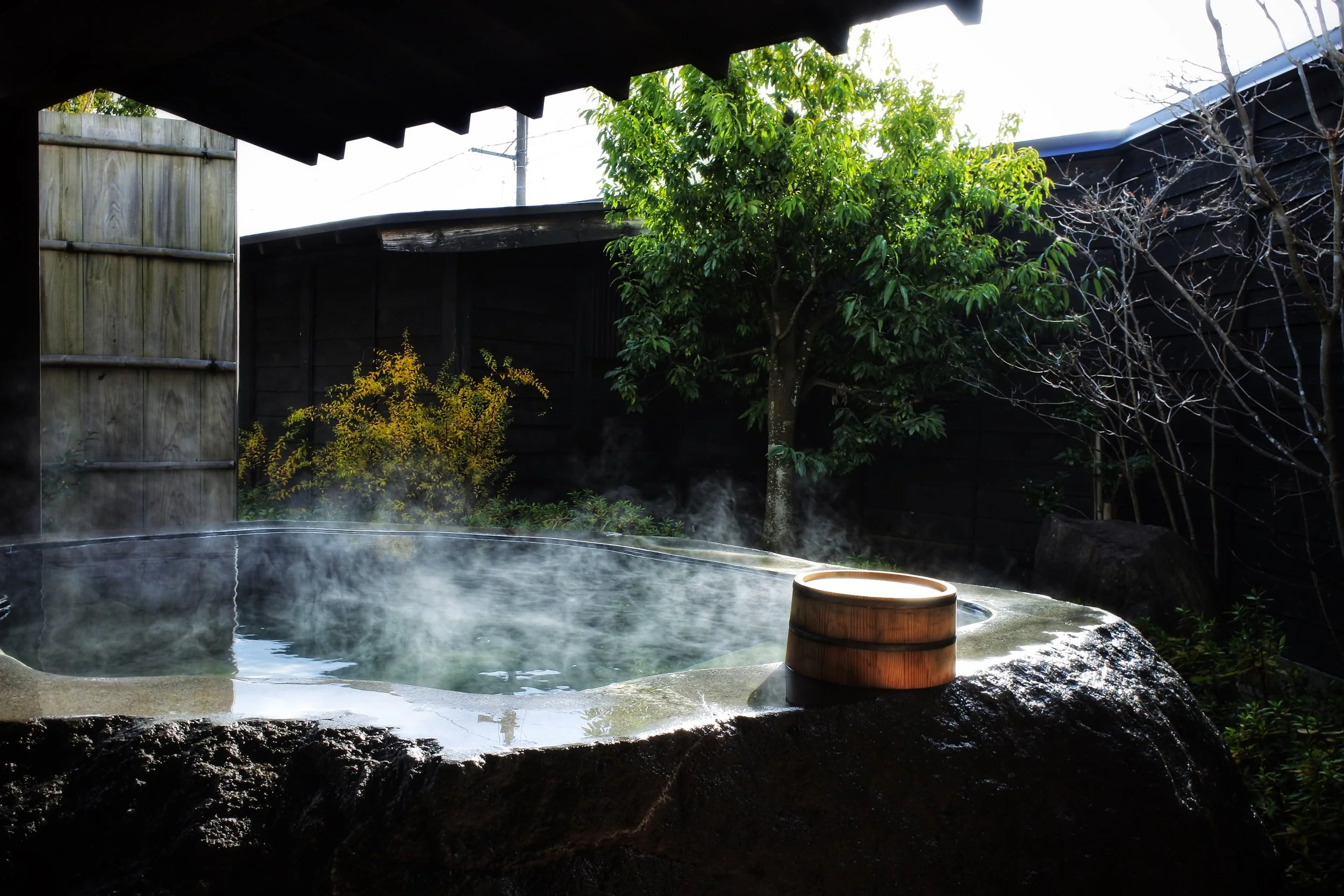
Why are Rooms with Private Onsen so Expensive?
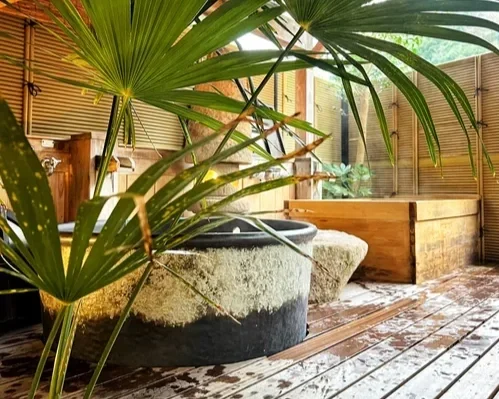
It’s important to remember that a room with a private onsen whether it be indoor, semi open air or open air is categorised like a high end suite room in a 4-5 star hotel. These are one type of the premium rooms that can be available at an onsen ryokan. One must also consider the initial start up costs required to create/upgrade a room to have its own private onsen. Considerable specialised construction, specialised plumbing (remember onsen water is not normal tap water), waterproofing and material cost is not cheap.
Initial start up costs can range anywhere between 2Million - 10Million+ JPY per room, depending on complexity of work, materials etc.
Additionally, there’s the cost of annual maintenance, annual onsen water testing and then unexpected costs of underground pipes bursting/being broken due to extreme cold, natural disasters. It is a significant investment for an onsen ryokan to provide to guests that must be recouped.
A room with private onsen can range from anywhere from 25000JPY - 110,000JPY+ per person per night (hopefully including two meals). The lower price range is found in lesser travelled areas, quieter regions of Japan - so not in popular tourist destinations like Hakone, Mt Fuji etc.
Popular areas like Mt Fuji — you are most likely looking at starting from 50,000JPY per person per night in off-peak season. It’s a good price if you can find a stay starting from 35,000JPY per person per night for Hakone. This is hopefully with two meals included.
Do I Have to Have Both Breakfast & Dinner Included? Is it Worth Paying for Meals?
Honestly I generally always include both breakfast and dinner when I book stays at onsen ryokan since I mostly stay in the accommodation to relax and destress UNLESS I’ve been on one of my onsen toji trips which may go for several nights - so my stomach may need a break from substantial meals. I also always have snacks/fruit with me, perhaps cup noodles or I know a small grocery store/convenience store is nearby etc OR I’m staying somewhere like a bigger onsen town/Kyoto where there are actual dinner options and/or meeting friends for dinners (especially in Kyoto).
However probably roughly 95% of my onsen ryokan stays are in quite remote/quiet onsen towns of Japan where they stand alone, there’s no convenience store/grocery within walking distance or the local restaurants only open for lunch or a very early dinner (ie closing time is 5pm/6pm/7pm). Hence I would always recommend to include your meals if you are staying more in the countryside (especially during winter’s heavy snow) unless you have severe food allergies. Plus a meal at an onsen ryokan/ryokan is a wonderful experience to try the delicacies of Japan’s seasonal ingredients.
If your allergies cannot be catered for, do research before hand if there’s eateries/grocery store/convenience stores easily accessible and definitely pack some of your own snacks. Sometimes the gift store (if they have one) in the onsen ryokan sells cup noodles and snacks - but not always. Allergies should always be communicated with the property well in advance (ie at booking), not on the day of arrival.
So is the Price Worth Paying for an Onsen Ryokan/Ryokan?
In my opinion, yes - even more so if you want to enjoy quintessential Japanese omotenashi, soaking in an onsen, two delicious traditional meals and lovely Japanese accommodation for a truly unique cultural experience.
To put it in perspective: realistic costs for general Tokyo accommodation for 2026.
It’s probably a relatively safe assumption most visitors will spend a night in Tokyo during their travels.
From 3rd party booking websites* (booking, agoda, expedia, ikyu etc) — I searched for a 1 night stay for 2 people within what’s considered off-peak season (early - mid September) in popular Tokyo areas for the lowest prices. Some examples below of a range of hotels
SPLURGE LUXURY HOTEL - Four Seasons Otemachi - 159,000JPY+ standard room - no breakfast - early bird discount - normally 10-30% off depending on how early
BOUTIQUE DESIGN HOTEL - The Aoyama Grand Hotel - 72000JPY+ discounted ( 140,000JPY otherwise) - superior queen- no breakfast - non refundable
MODERN HOTEL - Shibuya Stream Hotel - 53000JPY+ discounted (~65000JPY otherwise) - standard double - no breakfast - free cancellation
MODERN BUSINESS CHAIN HOTEL - The Blossom Shinjuku - 35000JPY+ discounted (~54000JPY otherwise) - standard double - no breakfast** - free cancellation
* generally I use 3rd party sites to reserve normal hotels for myself or my parents when they visit Japan for the free cancellation, flexibility and the fact I’m on the highest user tier for a lot of them - so I receive more discount than the hotel’s official website.
** to include breakfast, starting from 3800JPY per person per night for The Blossom Shinjuku (the cost will most likely increase as the hotels become more luxurious)
To put it in perspective: realistic costs for a traditional Kaiseki / Kyo-ryori dinner in Tokyo (alcohol & tax not included).
INTRODUCTORY - ACCESSIBLE TIER : 10,000JPY - 18,000JPY per person - eg. think similar to Bib Gourmand level, maybe a younger chef who previously trained at high end establishments now setting out on their own.
ESTABLISHED FINE DINING: 20000JPY - 35000JPY per person - eg. think 1 star Michelin stars, beloved neighbourhood restaurants, perhaps a former high end chef semi-retired - doing their own thing
HISTORIC/ULTRA PREMIUM: 40000JPY - 80000JPY per person - eg think 2-3 Michelin stars dining, historic teahouses with centuries of tradition that focus on rare seasonal delicacies like Matsuba Crab, Fugu (pufferfish), Matsutake mushrooms etc
NOTE: Kyoto and Osaka for both hotels and dining can start from slightly cheaper prices but also have extremely pricey options. Kyoto has an abundance of luxury hotels now - a lot of the big names have constructed properties there and it is renowned for its premium Kyo-kaiseki meals. Obviously there are cheaper hotel options to be found in quieter areas of Tokyo, Kyoto and Osaka and the world of airbnb has some affordable apartment style options.
Travelling outside the big 3 cities to other prefectures, accommodation costs are generally more affordable. Though everywhere will of course have places that command high tier pricing.

Recommendation: Save a Onsen Ryokan/Ryokan Stay as a Restful End to Your Japan Holiday
Everyone’s travel budget is different - but even if you take the lowest hotel accommodation option (assuming you get discounted rates), additional breakfast charge and lowest kaiseki dinner tier for 2 people - mathematically - a stay at a Ryokan or Onsen Ryokan (with or without private onsen/bathroom in the room) is worth the price — for the food, the atmosphere, relaxation & wellness factor, the onsen (if at an onsen ryokan) and the overall unique Japanese cultural experience. I always say think of an ryokan/onsen ryokan stay as your splurge on the trip and the time for you to wind down, relax before one heads back home - so if possible book a stay closer to the end of the trip then the start.
Ready to be inspired - take a look at my favourite traditional onsen ryokan stays in Japan